Kamen Rider
Season 34 Analysis
Season Overview
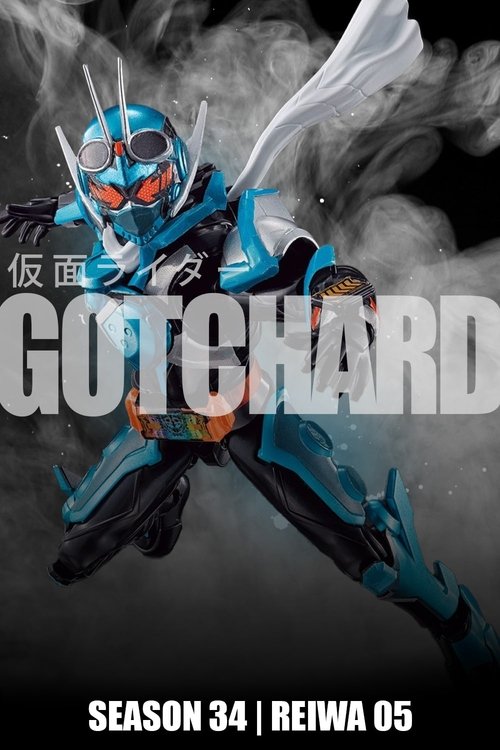
Alchemy is a pseudo-science that attempts to create gold from various different combinations. One experiment to do so artificially brings to life a race of creatures known as the Chemies, made to imitate things that exist in the world, such as grasshoppers. Stored in Ride Chemy Cards, they were accidentally released all at once. Houtarou Ichinose is entrusted with the Gotchardriver and the mission to recollect the Chemies. Some are friendly, and Houtarou can fuse with them to transform into Kamen Rider Gotchard. However, if influenced by human malice, they may birth monsters known as the Malgam. This is a story that explores the nature of good and evil, which are two sides of the same coin.
Season Review
Categorical Breakdown
The plot's central conflict revolves around the protagonist's optimistic spirit and his belief in befriending all creatures, regardless of their nature or origin, a theme of universal meritocracy. The series focuses on the content of the soul, not race or intersectional hierarchy. The cast is Japanese, which is authentic to the production setting, with no indication of forced diversity or vilification of any ethnic group.
The narrative's focus is not on criticizing Japanese civilization or heritage. The conflict is with a secretive organization (the Alchemists' Union) whose rigidity and secrets cause problems, a common trope for organizational drama. The hero's family unit is supportive, and the critique is aimed at institutional bureaucracy, not the destruction or deconstruction of the home culture or ancestral values. The core setting and hero's spirit show appreciation for a positive community.
The primary female character, Rinne Kudo (Kamen Rider Majade), is highly competent, begins as a mentor figure to the male lead, and completes a major character arc rooted in finding her self-worth and creating her own moral code. She aims to "fight rather than be protected," but her relationship with the male lead is ultimately complementary, not a constant emasculation of the male character. The hero's mother is portrayed as a supportive, warm, domestic figure who aids the heroes' base of operations.
No characters have their sexual or gender identity centered as a plot point or ideological lecture. The show maintains a normative structure with a strong focus on the traditional pair dynamics of the main hero and heroine. Any perceived LGBTQ+ subtext is purely through fan interpretation of abstract elements (like a 'Rainbow' power-up) and is not explicitly present in the show’s dialogue or narrative.
The series focuses on a philosophical morality that defines evil as stemming from 'human malice' influencing artificial life, positioning good and evil as a matter of human choice and emotional connection. The morality is secular and character-driven, rather than transcendent. However, there is no active hostility toward religion; instead, the spiritual vacuum is filled with universal, humanistic values (friendship, kindness) and a sense of objective moral right (stopping the evil born of malice), which prevents the score from being extremely high.