Kamen Rider
Season 9 Analysis
Season Overview
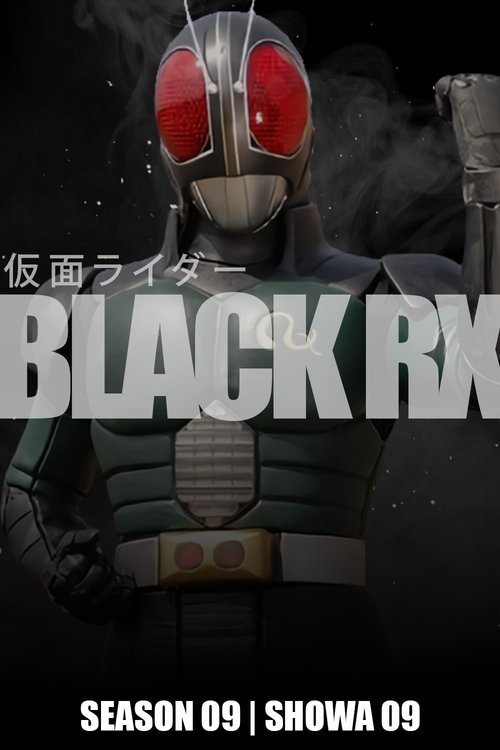
A month after the defeat of Gorgom, Minami Kotaro is kidnapped by the Crisis Empire. After refusing to join them, he is thrown out into space where he undergoes the change to become Kamen Rider Black RX.
Season Review
Categorical Breakdown
The narrative's focus is on the Universal Meritocracy of the hero's heart and moral conviction to save Earth, regardless of his background as a mutant. Characters are primarily Japanese, reflecting the production's context, and the conflict is entirely between the hero and a hostile alien empire, not an internal struggle against a perceived systemic oppression or social hierarchy. No vilification of race or forced diversity is present.
The plot is centered on the explicit defense of Earth and humanity against the alien Crisis Empire, which seeks conquest and views humans as inferior. This core premise champions one’s home and civilization against an external, nihilistic threat, aligning with the concept of institutions like family and nation acting as shields against chaos. The narrative strongly affirms a Gratitude perspective toward defending the home planet.
Female characters primarily occupy supportive roles within the home (the Sahara mother) or as a damsel trope (Hitomi, who sometimes needs protection). The central female antagonist, Maribaron, is ultimately disposed of by the male Big Bad, Emperor Crisis, for showing weakness, rather than being defeated by the male hero in the final confrontation. This dynamic places women in secondary or sacrificial positions and lacks any sign of the 'Girl Boss' trope or anti-natalist messaging, reflecting traditional Showa-era gender roles.
The core supporting cast is the traditional nuclear family of the Saharas, with the hero integrating into this structure as a protector. The narrative focuses on action and classic good-vs-evil storytelling. No presence of alternative sexualities being centered, deconstruction of the nuclear family, or commentary on gender ideology is detectable within the plot or character dynamics.
The moral framework is one of clear, objective good (protecting humanity) versus objective evil (alien conquest and murder). The series does not engage with traditional religion, nor does it contain any subtext or explicit attacks on faith or spiritual institutions. The hero's struggle is a straightforward battle against an invading force, affirming a Transcendent Morality where right and wrong are not subjective.