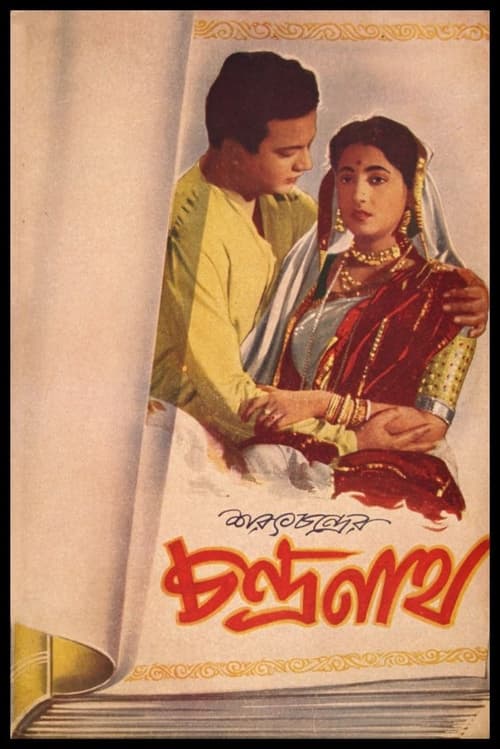
Chandranath
Plot
Feeling lonely after his father's death, Chandranath meets and falls in love with a poor widow's daughter during his travels. Later, secrets from her past come to haunt him.
Get the Weekly Woke Watchlist
New and trending movies scored for woke bias, preachy messaging, and forced political themes — before you waste your evening.
No spam. One useful email per week.
Overall Series Review
Categorical Breakdown
The main conflict is rooted in traditional caste pride and class hierarchy within a specific Indian social context, which is not the modern intersectional lens. Characters are judged based on their virtue and their actions, like Chandranath’s rash judgment and subsequent repentance. The casting is regionally and historically authentic to the setting and culture, entirely devoid of 'race-swapping' or 'whiteness' vilification.
The film operates entirely within the context of Indian/Bengali culture, criticizing specific flawed conservative social practices such as rigid caste pride and the power of rumor, not the civilization itself. The narrative's resolution reinforces the traditional family unit as the foundational good. There is no hostility toward the home culture or praise for external cultures as spiritually superior; the critique is internal and aims for moral correction.
The female lead, Saryu, embodies a traditional ideal of suffering and self-sacrificing virtue, enduring injustice and shame while remaining devoted to her husband and preserving her child. The man, Chandranath, is deeply flawed, but the narrative arc focuses on his moral failure and subsequent repentance, not his sustained emasculation. Motherhood is the central, celebrated catalyst for the final family reunion, not a 'prison' or obstacle to personal fulfillment.
The story is a classical heterosexual romantic drama focused on the formation and dissolution/restoration of a nuclear family unit: husband, wife, and child. Sexuality is private and normative, serving the plot's central theme of marriage and family continuity. There is no presence of alternative sexual ideologies, deconstruction of the nuclear family structure, or gender theory lecturing.
The story is set within a traditionally religious (Hindu) context, with the male lead being a Brahmin. The villain, Haridyal Ghoshal, is a 'lustful man' and a priest, which critiques hypocritical religious individuals. However, the film is a moral melodrama that champions transcendent moral laws like justice, repentance, and fidelity. Faith and traditional structures, while sources of conflict through their rigid application, are not framed as the root of all evil.
Get the Weekly Woke Watchlist
New and trending movies scored for woke bias, preachy messaging, and forced political themes — before you waste your evening.
No spam. One useful email per week.