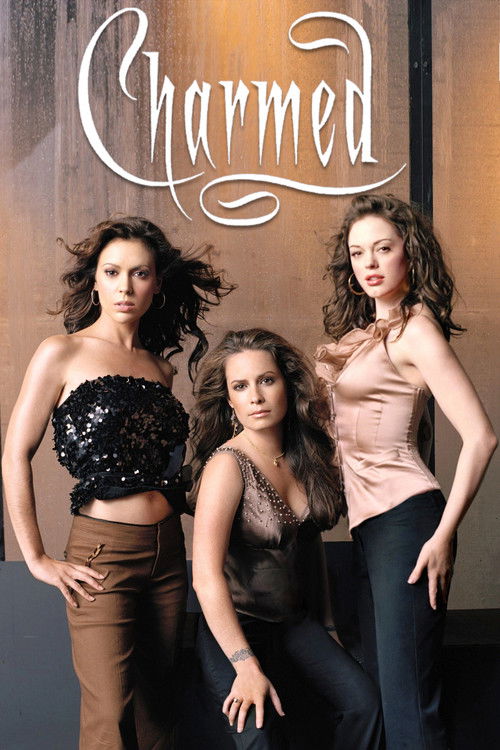
Charmed
Season 7 Analysis
Season Overview
The sisters question themselves after Gideon's betrayal. Phoebe is such an emotional wreck that her boss lets her take a break and hires a ghost writer -- a man with whom she takes awhile to warm up to but eventually develops feelings for. Finally, darkness surrounds the sisters in the form Zankou, a demon who had been locked away by The Source.
Season Review
Categorical Breakdown
Characters are judged by their magical abilities and personal choices rather than their skin color or ethnic background. The show avoids lectures on privilege and keeps the focus on the sisters' specific family lineage.
The sisters are deeply committed to protecting their family manor and their ancestral legacy. They reject the Avatars' offer of a sterile, conflict-free world, choosing to preserve their own culture and free will.
Women are the primary drivers of the plot and the only characters with ultimate power. Men like Leo and Darryl often serve as emotional support or domestic helpers. However, the show celebrates motherhood and the protection of children as a core mission.
The season remains strictly focused on heterosexual relationships and traditional romantic interests. There is no presence of queer theory or the deconstruction of the nuclear family model.
The narrative replaces traditional religious institutions with a bureaucratic 'Elder' system that is frequently portrayed as cold or out of touch. While it embraces Wiccan themes, it operates on a clear objective binary of good versus evil.