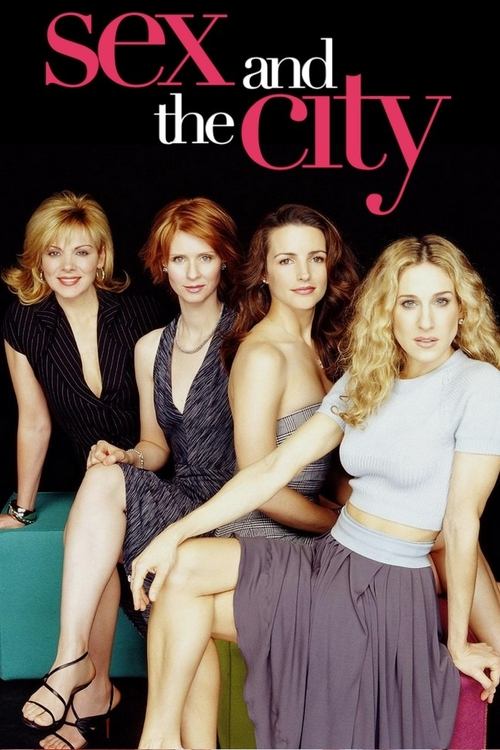
Sex and the City
Season 3 Analysis
Season Overview
No specific overview for this season.
Season Review
Categorical Breakdown
The cast remains overwhelmingly white and upper-class. Narrative friction regarding race appears briefly when Samantha dates a Black man, but the show focuses more on personal social dynamics than systemic lecturing.
The series functions as a high-gloss advertisement for Manhattan and Western capitalism. The characters exhibit deep pride in their urban environment and define their identity through Western luxury and status symbols.
The narrative frequently treats men as projects to be managed or accessories to be discarded. Motherhood is often discussed as a threat to personal freedom, while career achievement and social independence are elevated as the highest goods.
Alternative sexualities are a frequent plot point, though the show maintains a more traditional perspective than modern media. The lead characters express open skepticism toward bisexuality and treat fringe sexual identities as urban curiosities rather than protected classes.
Religious faith is almost entirely absent, appearing only as a hollow backdrop for social ceremonies. Morality is treated as a fluid concept determined by personal feelings and the consensus of the core friend group.