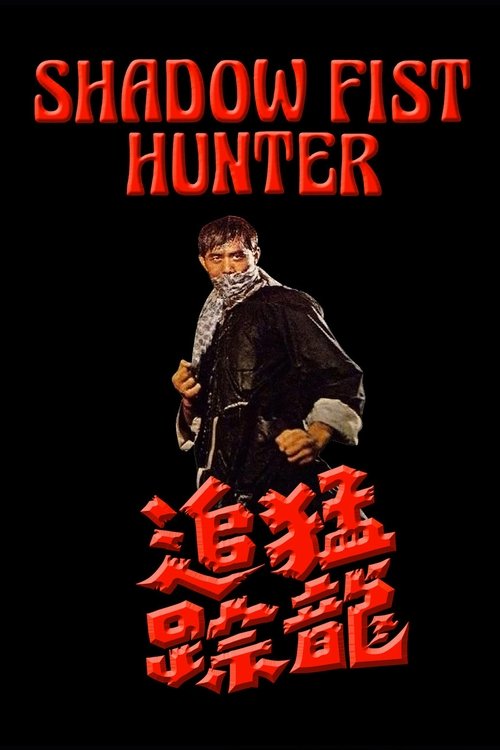
The Shadow Chaser
Plot
The story of a fighter who avenges his slain father and recovers stolen gold.
Get the Weekly Woke Watchlist
New and trending movies scored for woke bias, preachy messaging, and forced political themes — before you waste your evening.
No spam. One useful email per week.
Overall Series Review
Categorical Breakdown
The core narrative is a universal story of a son seeking revenge for his father's murder and recovering gold, making merit (martial skill) the determinant factor for the protagonist's success. The film is set entirely within an East Asian context and does not contain a narrative that lectures on systemic oppression or vilifies 'whiteness.' A non-Western instance of racial insensitivity is present, however, as one of the antagonists is depicted in blackface for no clear plot reason, a historical cultural lapse that technically constitutes a form of 'race-swapping' but does not align with the modern anti-Western, intersectional hierarchy of the 'woke' ideology.
The film is a Taiwanese production from 1973. The conflict is local, focused on an affluent factory owner and local brigands who stole gold and murdered the protagonist's father. The villains represent personal greed and corruption, not a systemic critique or hostility toward Western civilization, the Taiwanese home culture, or its ancestors. The movie affirms the values of filial piety and justice.
The story is a classic male-driven revenge plot centered on a son's duty to his father. The primary female character has a secondary, non-fighting role that supports the male hero's quest. There are no elements of the 'Girl Boss' trope, no emasculation of the male protagonist, and no anti-family or anti-natal messaging, instead emphasizing traditional family bonds through the theme of avenging one's father.
The narrative is a straightforward, action-oriented tale of martial arts, revenge, and treasure recovery set in historical China/Taiwan. There is no presence of alternative sexualities, gender ideology, or deconstruction of the nuclear family unit. The structure is purely normative, as expected for a genre film of this era and culture.
The conflict revolves entirely around material greed (stolen gold) and revenge, with the father character being a mystic healer/alchemist. There is no hostility toward religion or Christianity, nor is there a promotion of moral relativism. The moral code is absolute and clear-cut, with the hero fighting for objective justice against evil villains.
Get the Weekly Woke Watchlist
New and trending movies scored for woke bias, preachy messaging, and forced political themes — before you waste your evening.
No spam. One useful email per week.