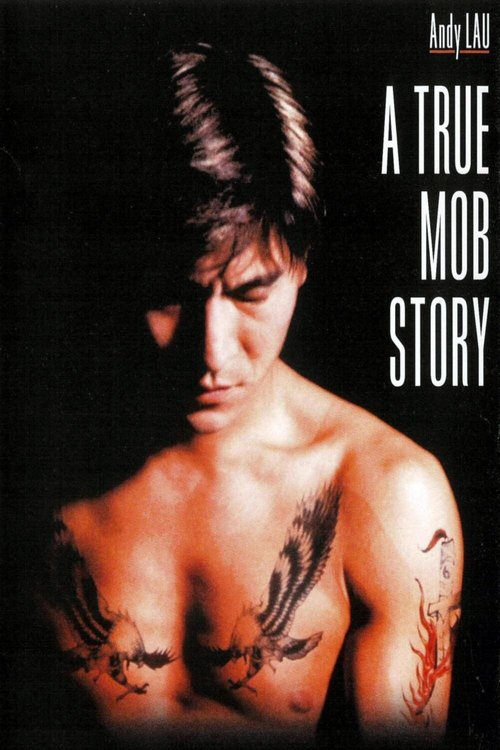
A True Mob Story
Plot
A low level gangster in Hong Kong gains new respect after saving a boss's life in a gang fight. Despite his wife's death in this attack, he appears to be moving up in the Triad family until he discovers the other bosses are not looking out for him when he is double crossed and the gangster he previously hospitalized in the gang fight comes back for revenge.
Get the Weekly Woke Watchlist
New and trending movies scored for woke bias, preachy messaging, and forced political themes — before you waste your evening.
No spam. One useful email per week.
Overall Series Review
Categorical Breakdown
The film is a Hong Kong production set in Hong Kong with a nearly all-Chinese cast, focusing on the internal dynamics of the Triad underworld. Character conflict is based on individual merit, honor, and betrayal. There is no focus on Western race politics, vilification of 'whiteness,' or forced insertion of diversity. Characters are judged solely by their moral actions and choices.
The narrative critiques the corruption and 'unrighteous' nature of the senior Triad bosses and the criminal underworld. This is a critique of a specific criminal element, not a broad condemnation or civilizational self-hatred of Hong Kong or Chinese culture. The protagonist's desire to protect his family and his son's future reinforces a respect for the integrity of his home, even while rejecting the corrupt institutions of the Triad.
Gender roles are largely traditional, but the movie features a highly competent, career-focused female lawyer, Sandy, who successfully defends the male protagonist. This character is not a flawless 'Mary Sue' but is complex, with a professional agenda that puts her at odds with her boyfriend, a police officer. The main male character is flawed and spineless for a time but is a protective, loving widower and single father, which celebrates masculinity in its protective role. Motherhood and loyal companionship are also positively portrayed through the deceased wife and the friend, Ruby.
The story adheres to a normative structure, focusing on heterosexual relationships and the nuclear family unit (the protagonist is a devoted single father to his son). Sexual identity is not a plot point or a subject of commentary. There is no centering of alternative sexualities or promotion of gender ideology.
The movie's core themes revolve around morality, honor, and betrayal within a criminal structure. The conflict is between righteousness and ruthless greed. The moral framework is personal and transcendent, reflecting objective virtues like loyalty and compassion. There is no hostility toward religion or specific demonization of faith-based characters.
Get the Weekly Woke Watchlist
New and trending movies scored for woke bias, preachy messaging, and forced political themes — before you waste your evening.
No spam. One useful email per week.