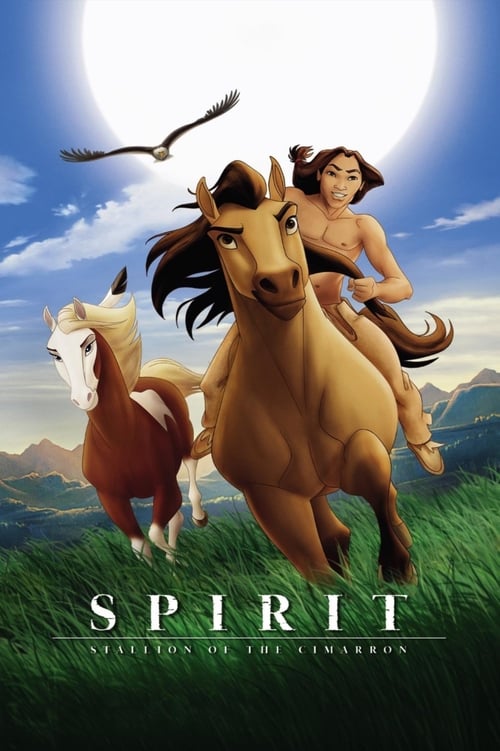
Spirit: Stallion of the Cimarron
Plot
A captured mustang remains determined to return to his herd no matter what.
Get the Weekly Woke Watchlist
New and trending movies scored for woke bias, preachy messaging, and forced political themes — before you waste your evening.
No spam. One useful email per week.
Overall Series Review
Categorical Breakdown
The plot is structured as a direct conflict between the destructive power of white Euroamerican colonizers (the U.S. Cavalry) and the moral purity of the Lakota Nation, establishing a clear intersectional hierarchy. White male characters are explicitly depicted as arrogant villains attempting to "break" the spirit of both the horse and the Native American hero.
The movie frames American expansion, industrialization (the railroad), and the Western frontier narrative as forces of destruction, greed, and conquest. The home culture's ancestors (the colonizers) are demonized. The Native American culture and the natural world are depicted as spiritually superior and morally pristine.
The primary female characters serve traditional complementary roles as the loyal love interest and the patient mother/herd guardian. The narrative is centered entirely on the masculine struggle for freedom, independence, and leadership, avoiding any "Girl Boss" or emasculation tropes.
The narrative maintains a normative structure, focusing on the traditional male-female pairing between the main characters, Spirit and Rain. The film contains no focus on alternative sexual identities or deconstruction of the natural family unit.
The movie's moral conflict centers on the political/secular concepts of freedom versus domination, and nature versus industrial expansion, not on organized religion. The transcendent morality celebrated is a natural, objective truth—the right to freedom—contrasting the destructive greed of the military/industrial effort.
Get the Weekly Woke Watchlist
New and trending movies scored for woke bias, preachy messaging, and forced political themes — before you waste your evening.
No spam. One useful email per week.