Pokémon
Season 1 Analysis
Season Overview
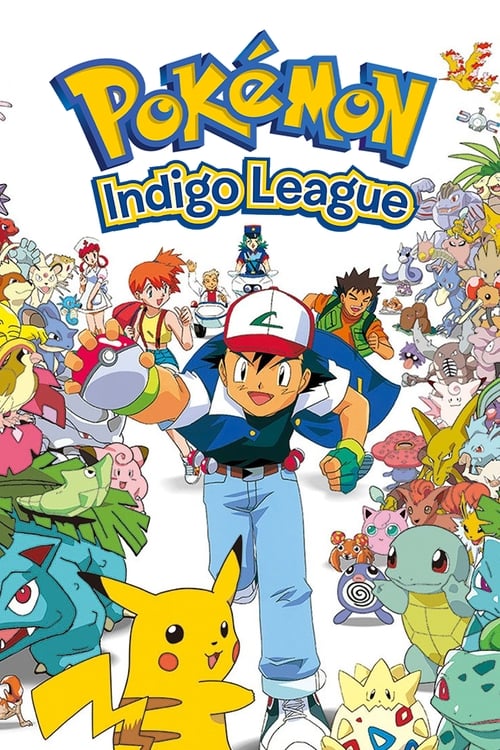
It’s Ash Ketchum’s tenth birthday, and he’s ready to do what many 10-year-olds in the Kanto region set out to do—become a Pokémon Trainer! Things don’t go exactly the way he planned when he ends up with a Pikachu instead of a standard first Pokémon, and winning Gym Badges turns out to be much tougher than he thought. Luckily he’s got former Gym Leaders Brock and Misty at his side, along with a bevy of new Pokémon friends, including Bulbasaur, Squirtle, and Charmander.
Season Review
Categorical Breakdown
The narrative is entirely focused on a universal meritocracy where the main character's growth and eventual success are dependent on his effort and the strength of his bond with his Pokémon. Ash’s main rival, Gary, is defined by his arrogance and initial success, not by an immutable characteristic. Characters are judged by the content of their soul and competence as trainers.
The series celebrates the established world of the Kanto region and the journey across it to achieve status within the respected institution of the Pokémon League. The premise is a quest to join the existing social order, demonstrating gratitude and respect for the world and institutions the protagonists inherit.
The female lead, Misty, is a powerful Water-type Gym Leader and an essential, competent member of the group, often acting as the moral compass and voice of reason. She is not a flawless 'Girl Boss,' possessing a temper and a fear of Bug Pokémon. The male companion, Brock, subverts traditional gender roles by serving as the primary caretaker, cook, and medic for the group, showing complementary gender dynamics rather than male emasculation or female perfection.
The series is a children's adventure story with a core focus on pre-pubescent characters and platonic friendship. It adheres to a normative structure, contains no discussion of sexual identity, and includes no lecturing on gender theory or deconstruction of the nuclear family.
The central moral axis is an objective struggle between good (friendship, training, saving Pokémon) and evil (stealing, manipulation, Team Rocket's greed). The importance of transcendent moral values like perseverance, loyalty, and compassion is consistently emphasized without any hostility toward or critique of real-world religion.