Pokémon
Season 11 Analysis
Season Overview
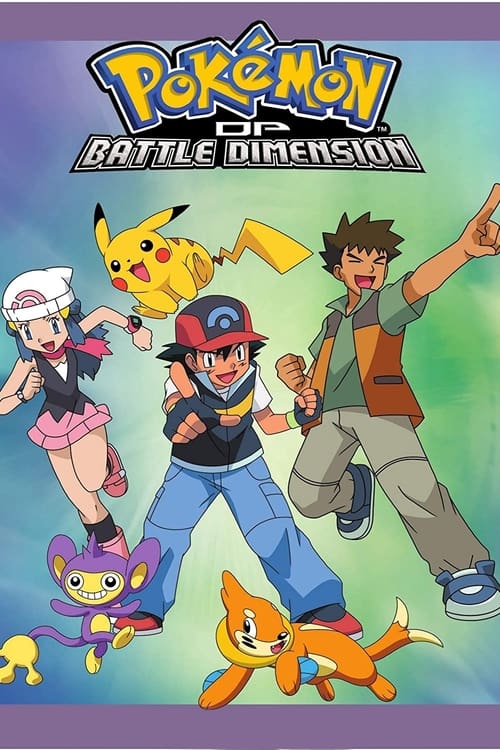
It’s looking good for Ash as he works on his next three Gym Badges, but not so good for Dawn, coming off a pair of Contest defeats. Both will do what they can to become better Trainers, from entering the Wallace Cup competition to attending Professor Rowan’s Pokémon Summer Academy. Hopefully, the new tactics they pick up will give them the tools they need to succeed against the latest plot by Pokémon Hunter J—as well as the emerging threat of Team Galactic!
Season Review
Categorical Breakdown
Characters are judged solely on their skill as a Trainer or Coordinator and the strength of their relationship with their Pokémon, embodying universal meritocracy. The series does not engage with concepts of race, privilege, or systemic oppression, nor does it feature forced diversity, with the main trio being racially ambiguous children of East Asian design influence.
The central conflict involves the heroes protecting the established world and its history from the destructive, nihilistic plot of Team Galactic, which seeks cosmic reset. Historical sites and regional culture are treated with respect as part of the world's heritage, not framed as fundamentally corrupt or in need of deconstruction. The theme is one of preservation and defense of civilization.
The female lead, Dawn, has an active, demanding goal and achieves major success (winning the Wallace Cup) through dedication and overcoming a period of intense self-doubt, avoiding the 'Mary Sue' trope. Her inspiration is her successful mother, which grounds her ambition in family legacy. The male lead, Ash, is a competent, empathetic, and proactive figure. The only element preventing a perfect '1' is the long-running comedic trope of Brock's pursuit of women, which can be read as a light, non-malicious emasculation dynamic.
The focus of the series is on pre-adolescent aspiration, friendship, and mentorship, with no narrative space dedicated to sexual or gender identity. The structure of character relationships is normative, centered on friendship, rivalry, and traditional family bonds (like Dawn's mother). There is no centering of alternative sexualities or lecturing on queer theory.
The setting's cosmology revolves around powerful Legendary and Mythical Pokémon, substituting traditional religion with a fantasy spiritual structure, but this is not anti-theistic. The villains' goal of destroying and recreating the universe provides a clear moral imperative for the heroes to fight for objective good (saving creation), promoting transcendent morality and virtue like courage and friendship, without hostility toward any specific faith.