Pokémon
Season 20 Analysis
Season Overview
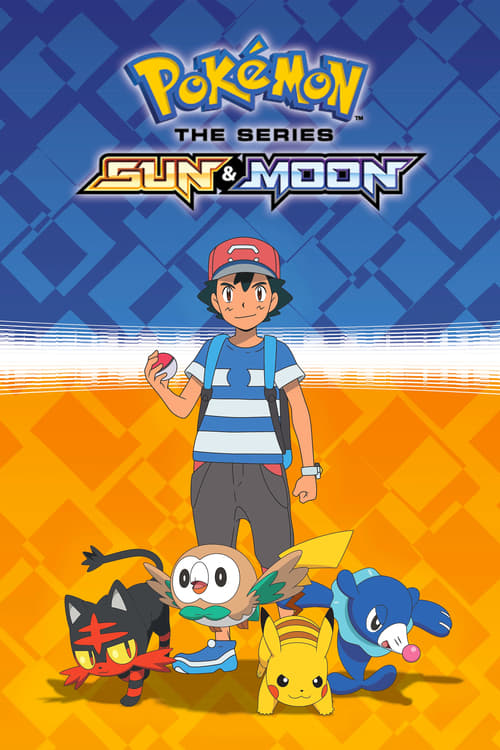
What starts as a summer vacation in the tropical Alola region turns into the next exciting chapter in Ash Ketchum’s quest to become a Pokémon Master! There’s plenty for Ash and Pikachu to explore in this sunny new region, with exciting new Pokémon to discover and interesting people to learn from along the way—including the cool Professor Kukui and the fun-loving Samson Oak. More new faces will help guide Ash’s Alolan adventure, in the form of a group of skilled Trainers—Kiawe, Lana, Mallow, and Sophocles—and a mysterious research assistant called Lillie. Frequent foes Team Rocket have also made the trip to Alola, looking to swipe some high-powered new Pokémon. But they have some heavy competition on the villainy front: the ruffians of Team Skull, who delight in causing chaos and may have more sinister intentions…
Season Review
Categorical Breakdown
Characters are judged on their skill as Trainers and their individual personalities and struggles, adhering to a meritocratic principle. While the setting (Alola) features a diverse cast, the story does not use race, skin color, or background as a basis for systemic power dynamics, privilege lectures, or hierarchy. The narrative is colorblind to the point of being entirely focused on the content of a character's soul and relationship with their Pokémon.
The central plot involves Ash and his classmates learning about and participating in the sacred traditions of the Alola region, such as the Island Trials and the use of Z-Moves, which are tied to the local Guardian Deities. This framing is entirely one of respect, celebration, and gratitude toward a local culture and its heritage, functioning as a high-level application of Chesterton's Fence. There is no deconstruction or demonization of the home culture or its ancestors.
The score is slightly elevated only due to the structural choice of having three of Ash’s five classmates be girls (Lana, Mallow, Lillie), each of whom is shown to be highly competent, driven, and successful in their respective areas of expertise (fishing, cooking/running a business, and research/battling). However, no female character is a 'Mary Sue' as Lillie's central arc is overcoming her crippling phobia of touching Pokémon. The male characters (Ash, Kiawe, Sophocles) are also competent and distinct, promoting a general atmosphere of complementary effort rather than one gender being universally emasculated or vilified.
The series is a traditional children's show that is completely devoid of sexual ideology. The focus is strictly on platonic friendship, adventure, and Pokémon. There is no centering of alternative sexualities, no deconstruction of the nuclear family unit (minor family dynamics shown are positive or relate to non-ideological character drama), and zero lecturing on gender theory or biological reality.
The narrative features a highly spiritual, polytheistic framework centered around the Island Guardians (Tapu Pokémon) and Kahunas. This spiritual structure is presented as the foundation for the region's challenges and traditions, functioning as a source of moral law and a benevolent, transcendent force that protects the islands. There is no hostility toward this faith or any embrace of moral relativism; the concept of right and wrong is simple and clear, typically involving preventing the disruption of the natural order.