Pokémon
Season 21 Analysis
Season Overview
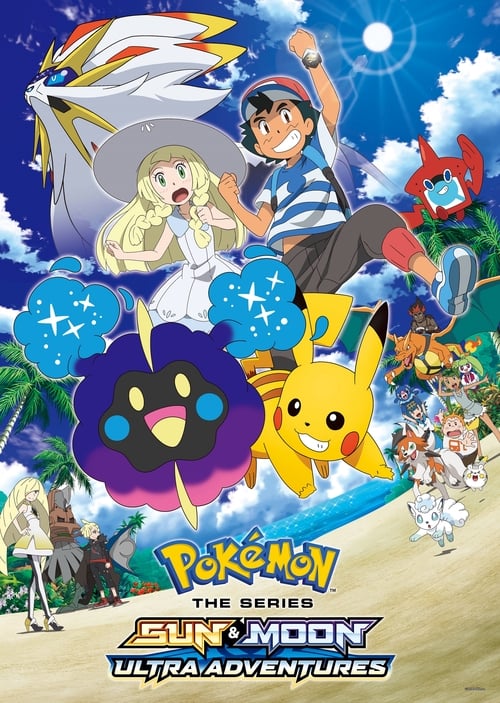
When Ash sees the Legendary Pokémon Solgaleo and Lunala in a dream, he makes a promise to them. But when he wakes up, he can’t remember what it was! Will the strange Pokémon called Nebby help jog his memory? Along with their new friend and the rest of the students at the Pokémon School, Ash and Pikachu explore the Aether Foundation, an organization dedicated to Pokémon conservation and care. But it may not be as innocent as it seems, and Ash and his friends will have to work together to protect the people and Pokémon they care about as they face a mysterious power like nothing they have ever seen.
Season Review
Categorical Breakdown
Characters are judged by their skills and courage in battling the external threat of Ultra Beasts, adhering to a universal meritocracy. The diverse cast is a natural result of the Alola region's Hawaiian-inspired setting, not a forced insertion to lecture on intersectional hierarchy. The focus is entirely on a shared mission and personal growth, not on vilifying 'whiteness' or assigning privilege.
The season actively celebrates the culture and traditions of the Alola region, including its Island Guardians and the unique Island Trial structure. The heroes' mission is to protect their home and community from extraterrestrial threats (Ultra Beasts). The climax involves the 'people of Alola' banding together to send their power to restore the light, which reinforces a deep pride and gratitude for their collective home and heritage.
Female characters are strong and central, but they are not 'Mary Sues.' Lillie's arc is defined by overcoming a genuine trauma-induced fear, demonstrating growth through effort and family support, not instant perfection. The powerful female authority figure, Lusamine, is rescued by her children and friends, while the show explicitly celebrates a complementary, traditional pairing with the marriage of Professor Kukui and Professor Burnet. Male characters like Ash and Gladion are depicted as competent, protective, and heroic.
The narrative is entirely absent of sexual ideology or the deconstruction of the nuclear family. The focus is on platonic friendship and the rescue/reunification of a traditional family unit. The only explicit adult relationship shown is the normative, heterosexual marriage of two respected, central figures.
The Alola region's plot is deeply rooted in local mythology, featuring powerful, benevolent Legendary Pokémon (Island Guardians, Solgaleo, Lunala) as a source of transcendent power and guidance. The main conflict involves restoring light and balance, which acknowledges an Objective Truth (light vs. dark) and a higher moral law, with faith/communal belief being a source of strength for the region.