Pokémon
Season 22 Analysis
Season Overview
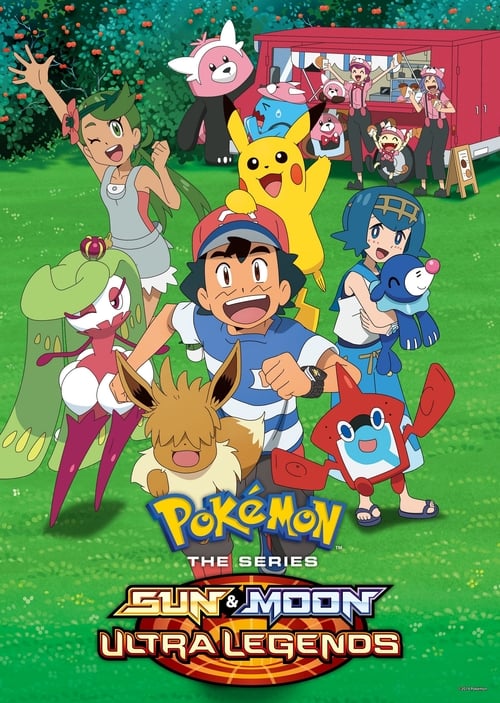
Ash has completed three of his four grand trials in the Alola region, and more adventures await as he and his classmates acquire new Z-Crystals, make new Pokémon friends, and learn how to Mantine Surf! In their role as Ultra Guardians, the Pokémon School students take on an important mission to protect Wela Volcano. Ash meets a new rival, Hau, whose Dartrix offers Rowlet quite a challenge. Even Rotom Dex gets an adventure of its own when our heroes visit the set of its favorite TV show! And Professor Kukui's dream of starting a Pokémon League in Alola just might be getting closer to reality...
Season Review
Categorical Breakdown
The main cast is diverse, reflecting the Hawaiian-inspired Alola region, but the narrative does not leverage this for intersectional politics. Character success is based purely on merit—the trainer's skill and the strength of their bond with their Pokémon. No characters are vilified based on immutable characteristics, and the plot avoids lectures on systemic oppression or privilege.
The season's core mission involves the Ultra Guardians, a student task force, protecting the Alola region and its local landmarks like Wela Volcano. The storyline celebrates Alolan culture, traditions (Kahunas, Grand Trials, local legends), and institutions (Pokémon School). The conflict with Ultra Beasts from other dimensions frames the home world as something worth defending, not something inherently corrupt or flawed.
Female characters like Lana, Mallow, and Lillie are competent and strong in their own right, without emasculating the male characters. Male characters, including Ash, Kiawe, and Sophocles, are equally competent and central to the action. The dynamic is complementarian and focuses on individual ability and character growth rather than a 'Girl Boss' narrative. Familial bonds are important, and the season avoids any anti-natalist messaging.
The season adheres to a normative structure, with no focus on alternative sexualities or gender ideology. All human characters exist within traditional gender roles and presentations, and the core unit of society remains the standard family or mentor/student pairing. Sexuality is not a topic of discussion or central to any character's identity.
The Alola region's spiritual traditions, involving 'deity' Pokémon like the Island Guardians and the ritualistic Grand Trials, are treated with reverence and respect within the fictional universe. There is no hostility toward religion or spirituality, and the show operates on a clear system of objective morality (good versus evil, Team Rocket's clear malice versus the heroes' altruism) rather than moral relativism.