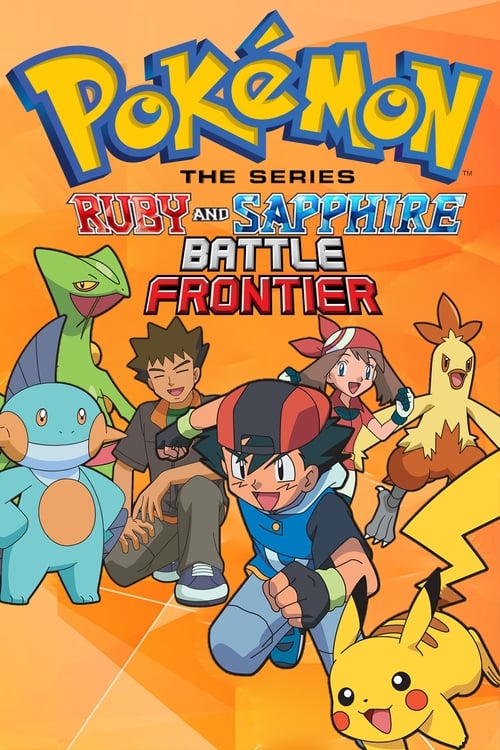
Pokémon
Season 9 Analysis
Season Overview
The territory might be familiar, but even Ash and Brock can find more than a few surprises in their home region of Kanto, like a Pokémon Ranger hot on the cases of two Legendary Pokémon! May’s back on the Contest path, blazing a trail to the Kanto Grand Festival, while Ash seeks out the hidden facilities of the Battle Frontier. If finding them wasn’t hard enough, he’s still got battles with the Frontier Brains to deal with—much tougher than any Gym Leader he’s ever faced.
Season Review
Categorical Breakdown
The entire structure of the Battle Frontier and Pokémon Contests is a system of universal meritocracy where success is judged purely by skill, strategy, and performance. Characters are defined by their competence and soul, not by immutable characteristics.
The plot celebrates the Kanto region and the institution of the Battle Frontier challenge, framing it as a worthwhile and respectable endeavor. The narrative shows no signs of civilizational self-hatred or portraying the home culture as corrupt.
May serves as a strong female co-lead, pursuing her own demanding, non-traditional career path as a Coordinator, and is highly competitive. However, she is shown struggling and developing over time, avoiding the 'Mary Sue' trope. The male lead, Ash, is also portrayed as a competent and strategic trainer, maintaining a balance that avoids the emasculation of male characters.
The focus is on action and adventure. The series adheres to a normative social structure without centering on alternative sexual identities, gender theory, or deconstructing the nuclear family model. Sexuality is not a theme addressed in the narrative.
The moral universe of the show is clearly objective, with 'good' defined as protecting Pokémon and striving for excellence, while 'evil' is represented by Team Rocket's petty crimes. There is no critique of traditional religion, and morality operates on a clear, universally acknowledged higher law.