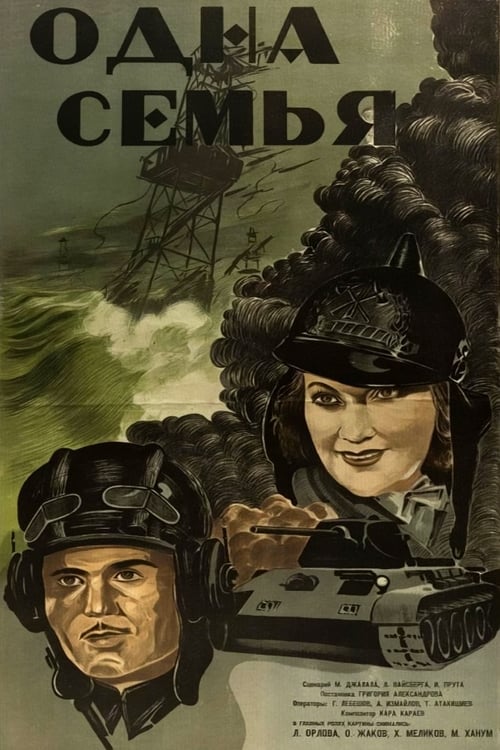
A Family
Plot
The film is about the Soviet People's patriotism and friendship.
Get the Weekly Woke Watchlist
New and trending movies scored for woke bias, preachy messaging, and forced political themes — before you waste your evening.
No spam. One useful email per week.
Overall Series Review
Categorical Breakdown
The film’s central conflict resolution involves an Azerbaijani soldier being embraced by a Russian family, explicitly promoting a political message of “inter-ethnic solidarity” and the "friendship of peoples". This is a form of state-mandated identity focus, not universal meritocracy. However, the narrative goal is unity and the vilification is directed solely at the German enemy, not any internal ethnic group, which keeps the score low.
The film is a classic example of wartime propaganda, celebrating the "heroic daily life of the people" and explicitly promoting Soviet patriotism and national solidarity against the external enemy. The entire production is designed to honor the sacrifices of the ancestors and institutions supporting the war effort. The culture and home are framed as worth fighting and dying for.
The film focuses on the traditional nuclear family and a romance leading to one, with women's roles likely centered on support, home life, and collective war effort as was common in Soviet wartime cinema. There is no indication of emasculation of males, anti-natalism, or the modern "Girl Boss" trope; men are soldiers and workers, and women are the "moral backbone" or contributors to the war economy. The slightly higher score accounts for the Soviet ideological push for women in the labor force as part of the collective.
As a 1943 Soviet propaganda drama promoting family and romance during wartime, the film adheres strictly to a normative male-female structure and the traditional nuclear family as the standard. The narrative shows an explicit focus on a heterosexual romance for the purpose of demonstrating national unity. Sexual ideology is entirely absent, and sexuality remains private and traditional.
While Soviet doctrine was officially atheist, propaganda films during the Great Patriotic War, like others from 1943, sometimes cautiously used traditional religion (Orthodox faith) as a source of strength, popular appeal, and cultural unity against the fascist invader. The film’s focus is state-morality (collectivism and patriotism), but it does not actively villainize or mock traditional faith, leading to a neutral to low score.
Get the Weekly Woke Watchlist
New and trending movies scored for woke bias, preachy messaging, and forced political themes — before you waste your evening.
No spam. One useful email per week.