American Pimp
Plot
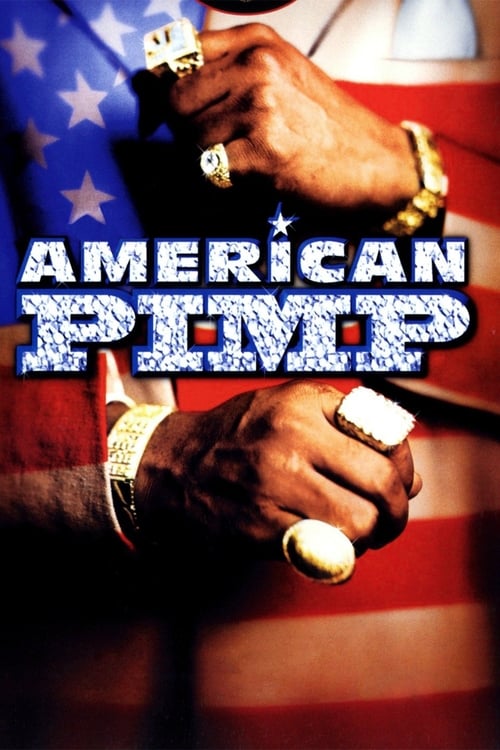
Street pimps, all of them African-American, discuss their lives and work: getting started, being flamboyant, pimping in various U.S. cities, bringing a woman into their group, taking a woman from another pimp, and the rules and regulations of pimping. The men are clear: it's about money.
Get the Weekly Woke Watchlist
New and trending movies scored for woke bias, preachy messaging, and forced political themes — before you waste your evening.
No spam. One useful email per week.
Overall Series Review
Categorical Breakdown
The plot is entirely centered on an immutable characteristic, focusing on the black urban pimp subculture and its hierarchy. The dialogue and visual content explicitly highlight racial power dynamics, particularly the black pimp's control over white prostitutes. One critique notes the film implies this dynamic is an act of 'payback for the days of slavery, of master and slave relations,' directly connecting the criminal enterprise to a lecture on historical racial oppression and privilege. The narrative prioritizes a race-specific subculture over any universal meritocracy.
The content focuses on a subculture that operates entirely outside of and in opposition to core Western institutions like law, family, and traditional work ethic. However, the documentary does not lecture that Western home culture is 'fundamentally corrupt' or that ancestors are 'demonized'; it merely documents a counter-cultural lifestyle. The critique is internal to the subculture's existence, not an external academic condemnation of the West.
Gender dynamics are defined by an extreme version of toxic masculinity and female degradation, which serves as the total inverse of complementarianism. The male leads are depicted as hyper-masculine, predatory figures of dominance, power, and psychological manipulation. Women are objectified as property and financial assets whose earnings are completely surrendered to the pimp. The pimps' philosophy actively rejects love, marriage, and family in favor of a career-based relationship of dominance, establishing a world where men are toxic and women are wholly subservient.
The subject matter focuses on the traditional, albeit perverted, male-female sexual-economic dynamic. There is no evidence of centering alternative sexualities, promoting gender ideology, or deconstructing the nuclear family via the queer theory lens. The world depicted is intensely heteronormative.
Traditional religion is not a focus of the film. The subculture documented is functionally amoral and self-interested, subscribing to moral relativism where 'the game' dictates the rules. While this is a spiritual vacuum, the film does not contain explicit hostility toward Christianity or feature religious characters as villains or bigots, beyond a pimp who uses religious titles for self-aggrandizement.
Get the Weekly Woke Watchlist
New and trending movies scored for woke bias, preachy messaging, and forced political themes — before you waste your evening.
No spam. One useful email per week.