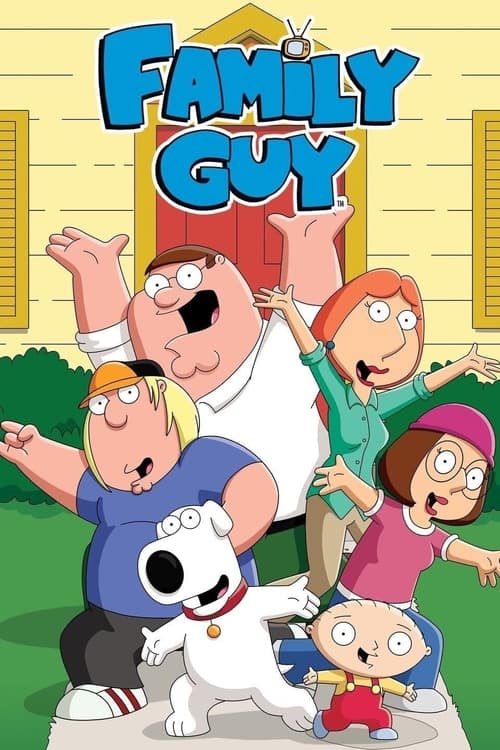
Family Guy
Season 18 Analysis
Season Overview
No specific overview for this season.
Season Review
Categorical Breakdown
The narrative uses identity politics as a source of comedy by satirizing it. An episode shows Peter mistakenly becoming the 'face of racial justice' after a bathroom emergency, mocking the performative nature of activism. A 'reboot' segment ridicules politically correct spin-offs and the notion of privileged people doing the bare minimum for social causes. The vilification is often directed at the act of political posturing rather than at 'whiteness' itself.
The show treats American institutions, consumer culture (like Arby's), and the concept of a television reboot with profound cynicism. This level of pervasive cultural negativity means no institution or 'home' is sacred. However, because the show also mocks the progressive 'reboot' culture attempting to fix it, the self-hatred is directed more at the nature of TV and American mediocrity than a singular, systemic critique of Western civilization.
Gender dynamics continue the pattern of Lois as the long-suffering wife and Meg as the perpetually victimized female. An episode segment that attempts to create a 'Girl Boss' narrative for Lois is presented as a bland, unwatchable version of the show. The content is anti-feminist in a traditional misogynistic cartoon sense, but it actively mocks the 'Mary Sue' trope rather than promoting it.
The season includes an episode where a character directly addresses the show's history of 'gay jokes' by saying the show is not phasing them out, indicating a refusal to conform to modern sensibilities. The trans character Ida is present in a storyline, centering an alternative sexuality for plot, but this character's story is frequently used for crude and uncomfortable humor, including a joke using the term 'genderfluid' for a shared bathroom.
The season includes a multiple-part retelling of Bible stories, which is consistent with the show’s long history of mocking religion, especially Christianity. Jokes and cutaways actively disparage religious dogma. A cutaway explicitly satirizes modern efforts to deconstruct religious tradition by using gender and identity ideology to modify the Nativity scene. Faith is consistently framed as a source of absurdity or backwardness.