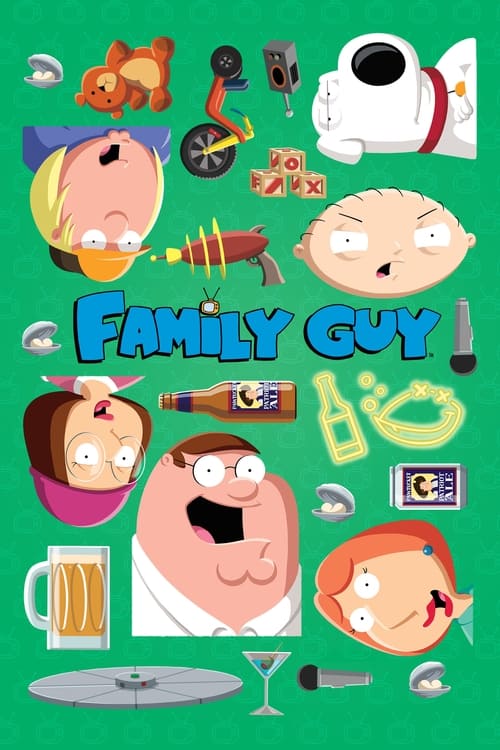
Family Guy
Season 21 Analysis
Season Overview
No specific overview for this season.
Season Review
Categorical Breakdown
The season contains no explicit plots focused on lecturing the audience about privilege, systemic oppression, or the vilification of whiteness, beyond the standard satirical mockery the show directs at all characters and social groups. The narrative remains focused on character-driven misadventures and broad cultural parodies, placing merit and incompetence at the character level rather than linking it to immutable characteristics.
Hostility is directed primarily at the banal, self-absorbed nature of American suburban life in Quahog, which is a consistent feature of the show's humor, not a full-scale deconstruction of Western heritage. The Meg storyline, where she encounters and rejects the oppressive political culture of Russia, actually works against the 'Noble Savage' trope by affirming the value of returning home.
The core dynamic of the show persists where Lois is frequently positioned as the only capable and intelligent adult, while Peter and the other male leads are consistently portrayed as bumbling, narcissistic, and incompetent man-children. This long-standing trope of male emasculation and female exasperation aligns closely with the high end of the scale for gender dynamics in the satire genre.
Alternative sexualities are a running part of the humor, particularly through Stewie's long-running ambiguous sexuality and Brian's occasional liberal-leaning commentary. However, no specific episode plot focuses entirely on centering a sexual identity or pushing a gender ideology lecture on the audience, keeping the score in the middle as a reflection of the show's general tendency to mock these topics rather than fully embrace a 'Queer Theory' lens.
The series maintains its fundamental moral relativism and nihilistic worldview, a constant element that automatically precludes any affirmation of transcendent morality or objective truth. While there are no specific plots where traditional religion is the root of evil in the season, the show's moral vacuum and willingness to use religious figures for cheap, subjective jokes elevates the score from the baseline of 1.