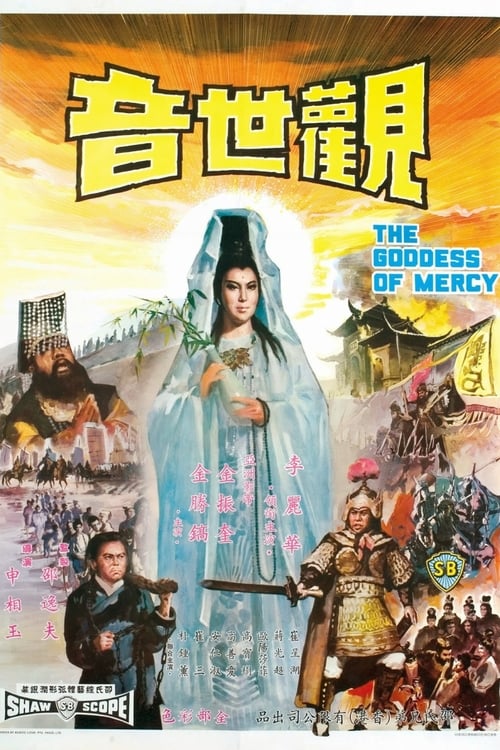
The Goddess of Mercy
Plot
With her elegant classic persona, Li Li-hua was the ideal performer for period aristocratic and imperial roles. The Goddess Of Mercy is a good example of her strong empathy and noble presence. The youngest daughter of a brutal king, the princess openly disapproves of the floggings and cruel treatment her royal family heaps on the peasants. As a result, the heartless king turns on his own daughter forcing her into exile.
Get the Weekly Woke Watchlist
New and trending movies scored for woke bias, preachy messaging, and forced political themes — before you waste your evening.
No spam. One useful email per week.
Overall Series Review
Categorical Breakdown
The film centers on the principle of universal compassion for all people regardless of their social class, focusing on character virtue over group identity. The casting is historically and culturally authentic, featuring Chinese actors in a Chinese legend, with no application of race-swapping or intersectional vilification of a majority group.
The narrative's criticism is directed squarely at a single, tyrannical king and his brutal court, not the fundamental institutions or ancestors of the culture itself. The protagonist's positive action is to establish a Buddhist sanctuary for the poor, affirming a positive spiritual institution within her civilization.
The female lead, a princess, displays great moral strength by standing against her father's unjust authority, establishing a powerful female archetype. However, her transformation into the Goddess of Mercy (Guanyin) is a celebration of divine compassion and a maternal, selfless spiritual role, which contrasts sharply with the modern 'Girl Boss' or anti-natalist tropes.
The story is a classical mythological and spiritual epic about morality, power, and religious devotion. The narrative maintains a normative structure, and no element of the plot centers on alternative sexualities, the deconstruction of the nuclear family, or the introduction of gender ideology.
The movie is a straightforward, devotional retelling of a major Buddhist legend, which culminates in the protagonist's divine transformation into the Bodhisattva Guanyin. The entire plot is founded on transcendent morality and Buddhist thought, featuring direct divine intervention, which acts as a powerful affirmation of faith as a source of strength and good.
Get the Weekly Woke Watchlist
New and trending movies scored for woke bias, preachy messaging, and forced political themes — before you waste your evening.
No spam. One useful email per week.