Raw
Season 14 Analysis
Season Overview
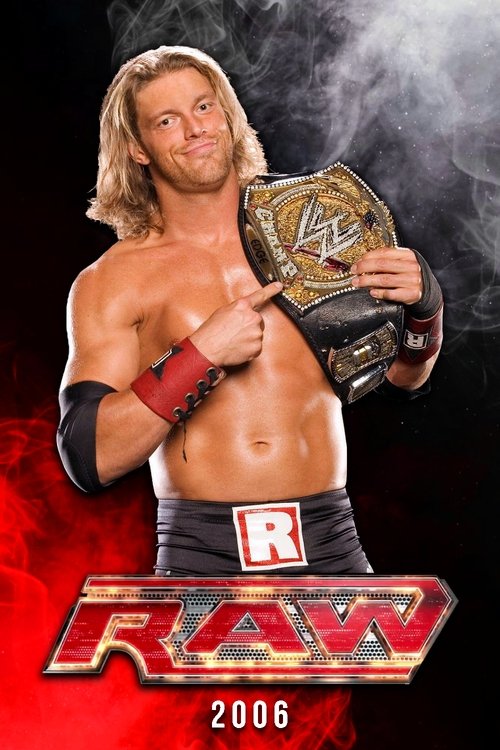
Raw gets extreme in 2006 as the reborn ECW invades the red brand. D-Generation X reunites to make Mr. McMahon's life miserable. John Cena and Edge begin their epic rivalry. Plus, The Miz hosts the Diva Search.
Season Review
Categorical Breakdown
The core of the season revolves around individual ambition and professional merit, focused on the WWE Championship. The conflict between characters like John Cena, Edge, and D-Generation X is a battle of talent and cheating. The plot does not rely on race or intersectional hierarchy for its drama; character vilification is based solely on heel tactics and personal immorality.
The major conflicts are internal to the 'WWE universe' and the business hierarchy, pitting D-Generation X against the authoritarian Mr. McMahon, and the ECW invasion against the existing company structure. There is no narrative component that expresses hostility toward Western civilization, demonizes ancestors, or critiques the foundational institutions of the culture at large.
The portrayal of women is highly sexualized and demeaning, seen most clearly in the 'Diva Search' competition and the scandalous 'Live Sex Celebration' segment involving Edge and Lita. This content completely rejects the 'Girl Boss' trope (scoring low on its presence), yet the absence of 'Complementarianism & Vitality' and the intense objectification prevent it from achieving a perfect 1/10 score.
The primary structure is strongly heteronormative, featuring sexualized storylines like the Edge/Lita affair and general raunchy comedy. The narrative does not feature or center alternative sexualities to challenge the nuclear family via 'Queer Theory,' but instead embraces a hyper-sexualized, traditional pairing framework. The presence of male cheerleaders (The Spirit Squad) as targets of mockery pushes the score slightly away from a perfect 'Normative Structure' 1/10.
The series focuses on corporate power struggles and personal rivalries, with no significant commentary on religion. Traditional religion is not framed as the root of evil, and faith-based characters, though occasionally cartoonishly utilized, are not villains or bigots. The morality of the wrestling world is a clear binary of good versus evil, not a subjective 'power dynamics' lecture.