Raw
Season 17 Analysis
Season Overview
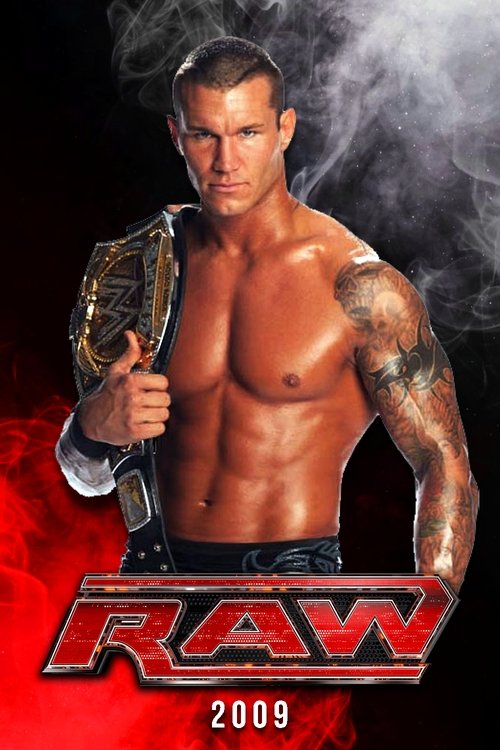
Expect the unexpected on Raw in 2009 as Special Guests Hosts take the reins as the power on the red brand. Don't miss such memorable Guest Hosts as Seth Green, Bob Barker, Shaquille O'Neal, and more.
Season Review
Categorical Breakdown
The narrative centers on kayfabe competition, championships, and feuds based on character persona and match victories, not immutable characteristics. Success is framed by a wrestler's ability to win matches and hold a title. There is no plot dedicated to lecturing on privilege, systemic oppression, or the vilification of whiteness.
The program is an American-based sports entertainment product focused on internal conflicts and celebrity involvement. The show features a traditional structure that supports the business (WWE) and the country (USA) as the center of action. There is a complete absence of themes framing Western civilization as fundamentally corrupt or promoting civilizational self-hatred.
The Divas division of the era features distinct female storylines and matches, often involving traditional melodrama. While female stars like Trish Stratus are depicted as dominant in their field, the show does not contain any anti-male rhetoric, 'Girl Boss' tropes where women are instantly perfect, or explicit anti-natalist messaging. The dynamics reflect traditional gender roles within the wrestling world.
The season contains no storylines or characters centered on alternative sexualities, queer theory, or gender ideology. The core relationship and family structures presented within the program's drama are based on traditional male-female pairings. This theme is completely unaddressed by the show's content.
The show is devoid of religious or spiritual themes. Morality is purely defined by wrestling's binary of 'face' (good/honest competitor) versus 'heel' (evil/cheating villain). There are no storylines depicting traditional religion as the root of evil or containing explicit anti-theist messaging.