Raw
Season 18 Analysis
Season Overview
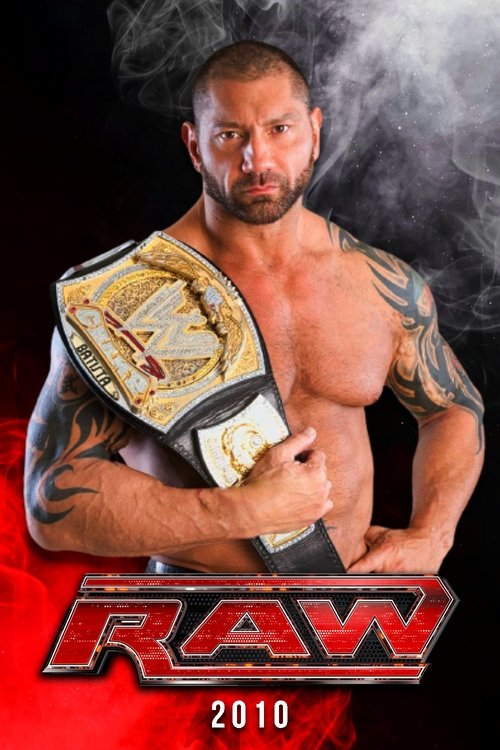
After 12 years, Bret "Hit Man" Hart returns to Raw in 2010 to put his issues with Mr. McMahon and Shawn Michaels to rest, compete in the ring, and serve as Raw General Manager. Plus, the Nexus rises and more.
Season Review
Categorical Breakdown
The plot operates on a strict kayfabe meritocracy where characters are defined by in-ring skill, loyalty, and personal history with authority, not by race or immutable characteristics. Feuds center on personal grudges and championship pursuits, with no detectable attempt to lecture on systemic oppression or vilify "whiteness."
The central conflict is a personal and corporate drama between the 'tyrant' Mr. McMahon and his adversaries, not a deconstruction or hostility toward Western civilization. Institutions like the company itself are framed as a source of corruption for the 'heel' characters, but the overall framework is one of simple good versus evil fighting for control.
The women's 'Divas' division of this era emphasized physical appearance and sexualized presentation, including matches with objectifying stipulations. This portrayal lacks the modern "Girl Boss" archetype of instantly perfect, dominant female leads, but simultaneously fails to offer a complementary or celebrated vision of healthy gender dynamics, landing it low-to-mid on the score scale due to sexual objectification.
The core televised narrative remains strictly heteronormative and focused on the male-dominated wrestling hierarchy. Alternative sexualities or gender ideology are absent from the on-screen storylines, and no efforts are made to deconstruct the nuclear family structure through the wrestling narratives.
The moral framework is based on objective good (face) and evil (heel) characters, consistent with traditional morality plays. Faith or traditional religion (specifically Christianity) is not actively attacked or demonized, and morality is not presented as subjective "power dynamics."