Raw
Season 22 Analysis
Season Overview
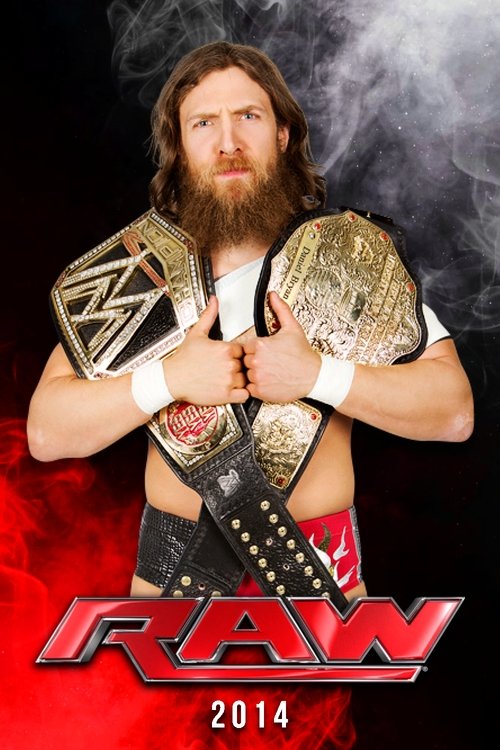
As the Yes! Movement builds momentum and occupies Raw, the Beast sets his eyes on a legendary streak. Plus, The Rock and NWO both return, the Shield and the Bellas each breakup, and more action on Raw in 2014.
Season Review
Categorical Breakdown
The primary storyline, the 'Yes! Movement,' centers on the underdog's merit and persistence against a corporate hierarchy, with no reliance on intersectional characteristics or race-based analysis. The villains are vilified for corporate power and corruption, not 'whiteness' or privilege outside of an economic/dynastic context.
The conflict is entirely focused on an internal power struggle within a North American sports-entertainment institution, The Authority, which is presented as corrupt but not a reflection of a fundamentally corrupt Western civilization. The use of the foreign heel trope (Alexander Rusev) operates to celebrate and affirm national identity, which is the antithesis of civilizational self-hatred.
The most powerful female character, Stephanie McMahon, is the main corporate villain, and her domineering 'Girl Boss' behavior is portrayed as toxic and tyrannical, which is not a celebration of the trope. The Divas division maintains traditional presentation without centering anti-natalist or 'perfect female' themes.
The narrative contains no storylines or characters centering alternative sexualities, deconstructing the nuclear family, or engaging with gender ideology. The presentation is entirely based on a traditional, normative male-female structure, with sexuality being a private or non-story focus.
Spiritual themes are present only in the heel characters of Bray Wyatt and Kane ('Devil's Favorite Demon'). This serves as an evil or occult fantasy element to make the villains menacing, but the narrative does not lecture on moral relativism; the heroes consistently fight for objective moral goods like justice and fairness.