Raw
Season 24 Analysis
Season Overview
History is made on Raw in 2016 as Shane McMahon and Goldberg both make shocking returns to WWE, a new Women's Championship is introduced, and the WWE Draft again splits Superstars between Raw and SmackDown LIVE.
Season Review
Categorical Breakdown
Characters are judged primarily by ring performance, star power, and whether they are a 'face' (good) or 'heel' (evil). The push given to talent of color like Sasha Banks and Roman Reigns is based on perceived merit and fan reaction, not on an intersectional lecture. White male characters like Kevin Owens and Chris Jericho are top antagonists while others like Seth Rollins are top protagonists, contradicting a pattern of consistent vilification. The casting is colorblind to match character merit.
The programming is set within the institution of WWE and celebrates its history and present structure. The show frames its American and Western-based heroes as the standard of excellence. Foreign antagonists, where they exist, are presented as traditional heels who disrespect the home culture, which reinforces national and civilizational pride.
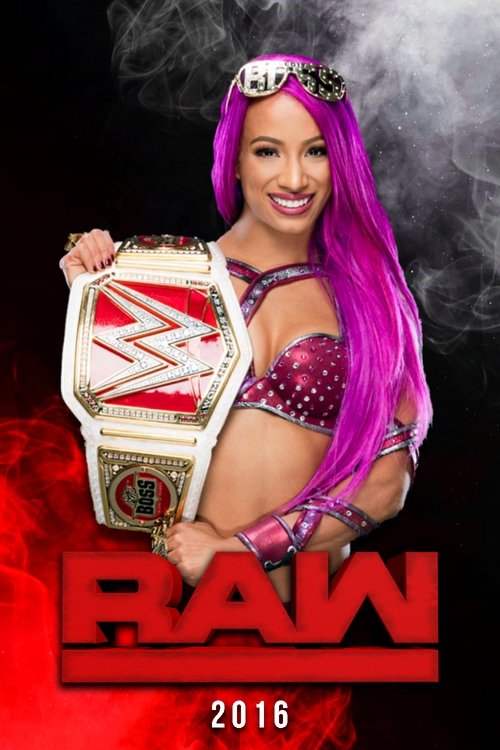
The core of the women's division storyline is explicitly built around a 'Women's Evolution' narrative, which centers on female wrestlers achieving firsts (main event a PPV, Hell in a Cell) and proving their worth against a perceived past of being undervalued. This is a high-level corporate push of the 'Girl Boss' trope, emphasizing career success and systemic change. Female leads like Charlotte and Sasha Banks are presented as instantly elite and historic pioneers. Male characters are not consistently emasculated but the narrative focus is placed on the women overcoming a metaphorical system.
The broadcast adheres to the normative structure of the traditional professional wrestling audience. Sexual orientation and gender identity are not made focal points of character or story. The show maintains a focus on male-female pairings only for romantic or rivalry purposes, and avoids lecturing on alternative sexual or gender ideologies.
The program is secular and focuses on in-ring combat and spectacle. Traditional faith or religion is not a subject of storyline vilification. Characters operate within a moral framework of cheating versus playing fair, which acknowledges a basic objective truth of right and wrong within the ring.