Raw
Season 25 Analysis
Season Overview
In 2017 on Raw, witness the rise of Braun Strowman as The Monster Among Men battles top Superstars like Brock Lesnar, Roman Reigns, and Kevin Owens. Plus, Goldberg says goodbye, The Hardy Boyz return, and more.
Season Review
Categorical Breakdown
Characters are generally judged by their competitive standing and their dramatic 'gimmick' (e.g., The Monster, The Beast) rather than an intersectional hierarchy. While the show features a diverse main event roster, including a prominent Samoan-American top hero (Roman Reigns), the core narrative does not rely on race or immutable characteristics to justify privilege or systemic oppression. The environment consciously promotes multiculturalism and diversity, but this is presented as a corporate objective for a global audience rather than a narrative lecture.
The programming is a secular entertainment spectacle focused on in-ring combat and personal rivalries. There is no narrative component that expresses hostility toward Western civilization, one's home country, or ancestors. The show is generally a celebration of athletic Americana, and the heroes represent traditional ideals of strength and victory.
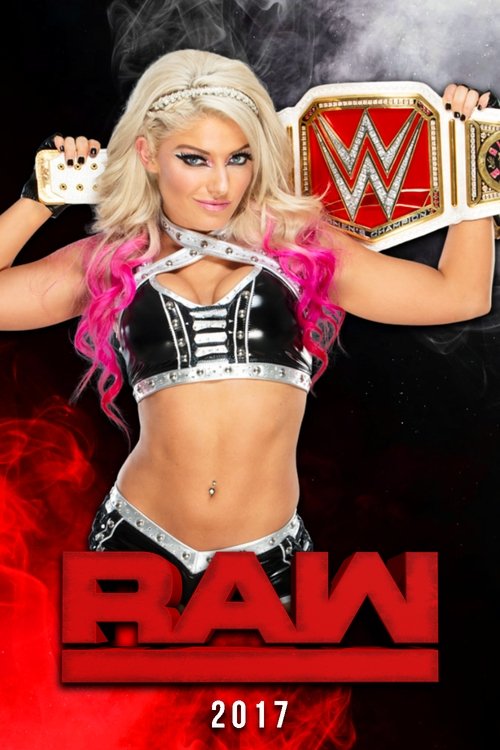
The women’s division is strongly pushed as an athletic and professional equal to the men’s division, with female wrestlers regularly headlining events and achieving 'first-ever' match stipulations. This highlights the 'Girl Boss' trope of female competence. However, one specific storyline involving Raw Women's Champion Alexa Bliss and challenger Bayley featured a segment that mocked the 'Hugger' character's innocence and close relationship with her father, presenting her traditional family loyalty as immaturity. This brief narrative element marginally devalued a traditionally feminine archetype, slightly increasing the score, although the main focus remained on athletic championship competition.
The storylines contain no presence of sexual ideology or gender theory lecturing. The traditional nuclear family structure remains the unquestioned standard, and sexual orientation is not a component of character definition or narrative conflict. The content adheres to a normative structure without political commentary.
Professional wrestling is a secular medium centered on spectacle and competition. While some villains utilize dark, cult-like, or supernatural gimmicks, this is a theatrical device to generate heat (villainous reaction) and not an ideological critique. The show does not portray traditional religion as the root of evil, nor does it lecture on moral relativism; the distinction between 'good' (face) and 'evil' (heel) is objectively clear within the bounds of the narrative.