Raw
Season 29 Analysis
Season Overview
2021 season of WWE Raw
Season Review
Categorical Breakdown
Characters are judged by their wrestling ability and entertainment value, not by a lecture on their immutable characteristics. The season features Black men and women (Big E, Bobby Lashley, Bianca Belair) heavily positioned as dominant champions and top-tier stars, demonstrating a strong visual presence of diverse talent in primary roles. This representation is a major focus, though the narrative itself does not exist to discuss privilege or systemic oppression.
The content is rooted in traditional American pop culture, where heroic characters embody positive virtues like hard work and honor. Antagonists are typically foreign heels or entitled rich characters who mock the audience, which reinforces the home culture as the moral standard. The narrative shows no hostility toward Western civilization or a desire to deconstruct national heritage.
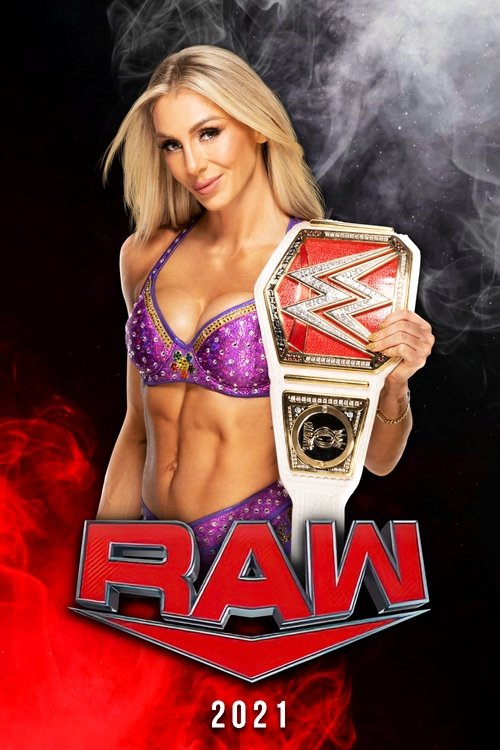
Female characters consistently headline shows and are presented as powerful, dominant 'Girl Boss' archetypes, successfully carrying major storylines. The Women's Division has received recognition as being on a level playing field with male counterparts, with women closing out shows and pay-per-view events. Characters like Becky Lynch immediately returned to their career focus after motherhood, and women are solely defined by their ambition and physical dominance in the ring, highly aligning with the 'career is the only fulfillment' dynamic.
The broadcast maintains a normative structure regarding relationships and family. Storylines do not center on alternative sexualities, the deconstruction of the nuclear family, or gender ideology. Sexual identity is treated as private, and the drama focuses strictly on in-ring competition and traditional rivalries.
The show follows a structure of objective morality where the 'face' (hero) is good and the 'heel' (villain) is evil. Supernatural or occult character elements (like Alexa Bliss's gimmick) are used for theatrical shock and fantasy, not as a critique of traditional religion. Faith is not a central subject, but the underlying moral framework acknowledges clear good and bad.