Raw
Season 4 Analysis
Season Overview
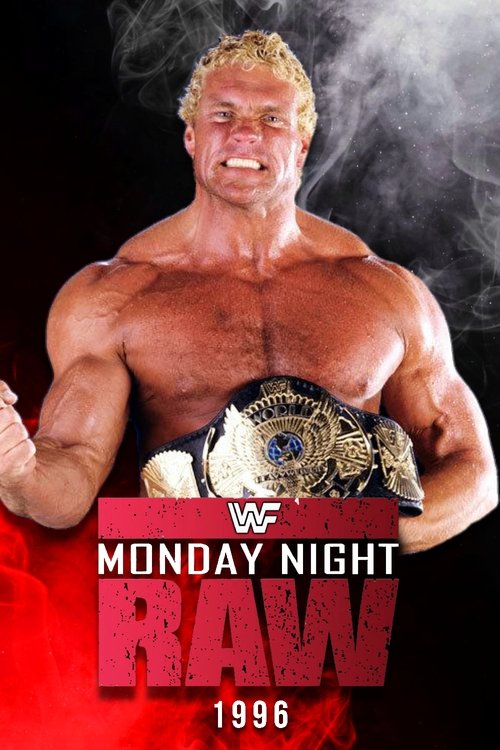
The game changes on Monday Night Raw in 1996 as legends like Triple H, "Stone Cold" Steve Austin, Mankind, and The Rock rise to prominence in WWE just as the Monday Night War with WCW kicks into high gear.
Season Review
Categorical Breakdown
Character success is primarily determined by in-ring ability, microphone skill, and fan connection, reflecting a universal meritocracy of performance. There are no discussions of privilege or systemic oppression. While some minority characters are prominent, their gimmicks occasionally rely on racial or ethnic stereotypes, rather than a forced, intersectional lens.
The programming shows high loyalty to the institution of the company, with the struggle for professional dominance within that system as the core narrative. There is no deconstruction of Western heritage, no hostility toward the 'home culture,' and no demonization of the company's ancestors or past history. Institutions like the national wrestling promotion are viewed as a proving ground.
Gender dynamics are heavily male-dominated. The few female characters are primarily portrayed as managers or sex symbols (Divas), without 'Mary Sue' or 'Girl Boss' tropes. The content actively showcases a hyper-masculine environment, with male characters routinely emasculating each other through verbal attacks or physical violence. Motherhood and family are not central narrative themes.
Alternative sexualities are not centered or celebrated. The Goldust character utilizes sexual ambiguity and androgyny as a heel trait to provoke discomfort and disgust in the audience, which runs counter to positive representation. The normative structure of male-female pairings remains the default in character relationships, and there is no lecturing on gender theory.
The content is strictly secular and focused on competition and personal conflict. Traditional morality is clearly defined through the 'face' (good guy) and 'heel' (bad guy) character alignments, reinforcing an objective good-vs.-evil framework for the audience. Faith and religion are almost entirely absent from the narratives and are not targeted for vilification.