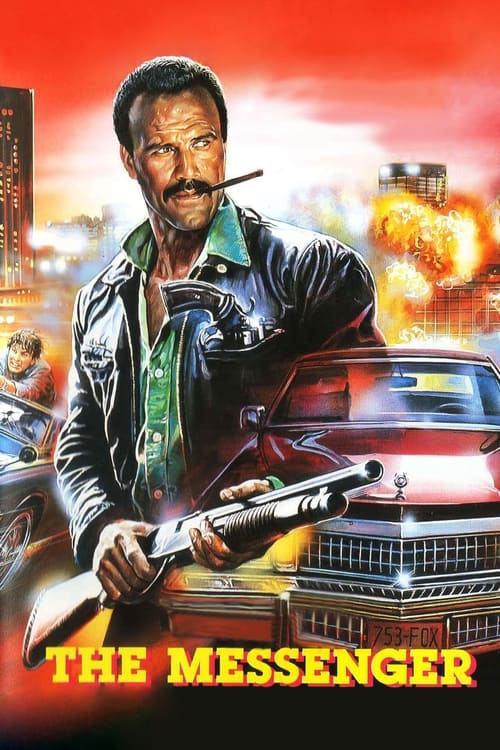
The Messenger
Plot
When his girlfriend dies of a drug overdose, a former Green Beret decides to take vengeance on the drug gangs responsible for her death.
Get the Weekly Woke Watchlist
New and trending movies scored for woke bias, preachy messaging, and forced political themes — before you waste your evening.
No spam. One useful email per week.
Overall Series Review
Categorical Breakdown
The hero is defined by his meritocratic skill set as a former Green Beret and his singular quest for vengeance against criminals. The casting of a Black actor, Fred Williamson, as the star ties the film to the blaxploitation genre, giving the hero's identity some political weight, but the plot itself does not lecture on privilege, vilify whiteness, or rely on an intersectional hierarchy. Character is judged by the content of his actions.
The protagonist, an American military veteran, works to eliminate international drug gangs and the corruption they spread across America and Europe. This action defends a clear moral order, framing core Western institutions and the hero's home culture as worth fighting for and cleansing of criminal elements. There is no civilizational self-hatred present.
The plot is entirely driven by the hero's response to the brutal murder of his girlfriend. Masculinity is celebrated as protective and avenging, with the male protagonist's strength and military skill being the sole means to resolve the conflict. Female characters are primarily victims or secondary figures, a dynamic that runs contrary to 'Girl Boss' or emasculation tropes.
The film focuses on traditional action themes of crime, revenge, and drug trafficking. There is no presence of alternative sexual ideologies, centering of LGBTQ+ issues, or deconstruction of the nuclear family structure. Traditional male-female pairing is the normative structure.
The narrative relies on a clear line between good (the hero's justice) and evil (the drug gangs), establishing an objective moral law. The protagonist's actions and dialogue, such as telling a villain 'heaven won't miss you,' operate within a framework of transcendent morality. Traditional religion is not vilified or presented as the root of evil.
Get the Weekly Woke Watchlist
New and trending movies scored for woke bias, preachy messaging, and forced political themes — before you waste your evening.
No spam. One useful email per week.