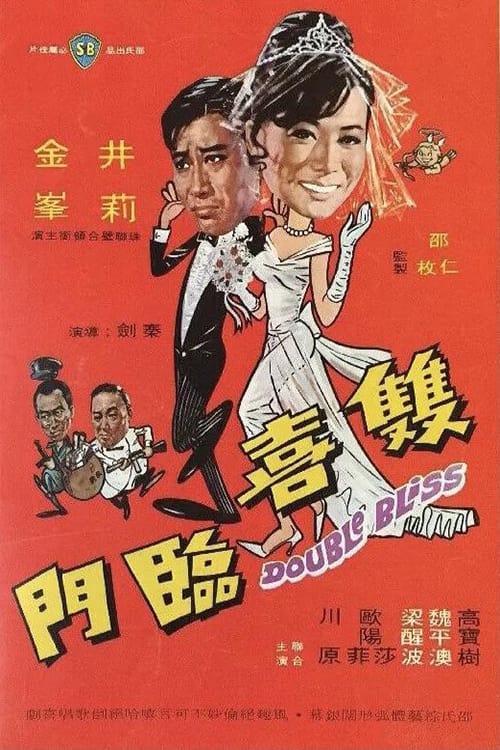
Double Bliss
Plot
A musical comedy about two students returning home from abroad with plans to wed. However, their dads are bitter enemies and oppose the marriage.
Get the Weekly Woke Watchlist
New and trending movies scored for woke bias, preachy messaging, and forced political themes — before you waste your evening.
No spam. One useful email per week.
Overall Series Review
Categorical Breakdown
The plot is about a classic family feud, not race or immutable characteristics. Characters are defined by their personal relationship to the central conflict and their desire to wed. The simple conflict between the dads and the couple's desire for marriage exemplifies a universal meritocracy of the heart, where character is judged by love and commitment.
The central goal is the students' return 'home' and the formation of a new, stable family unit via marriage. The conflict is a localized feud between two individual families, not a critique of the 'home culture,' Western civilization, or the institution of family itself. The narrative celebrates the institution of marriage as an aspirational goal.
The core plot is a push toward marriage, a complementarian and pro-natalist structure. The female student is a partner in love, not an instant 'Mary Sue' or 'Girl Boss' whose value is solely defined by an anti-family career. The goal is unity, which inherently validates the protective role of a family unit and the relationship between the sexes.
The plot centers on a traditional male-female pairing with 'plans to wed' and involves two 'dads' (fathers to the couple). This narrative structure affirms the nuclear family and traditional male-female pairing as the normative standard for social organization. Sexuality is strictly secondary to the theme of romantic love and marriage, and no lecturing on alternative sexual or gender ideology is present.
The conflict is entirely secular, resting on a personal 'bitter enemy' feud between the fathers. The film’s celebration of the institution of marriage, a foundational concept in Christian and Western societies, implicitly acknowledges an objective truth and higher moral law surrounding commitment and family structure. Traditional religion is neither a root of evil nor a central theme.
Get the Weekly Woke Watchlist
New and trending movies scored for woke bias, preachy messaging, and forced political themes — before you waste your evening.
No spam. One useful email per week.