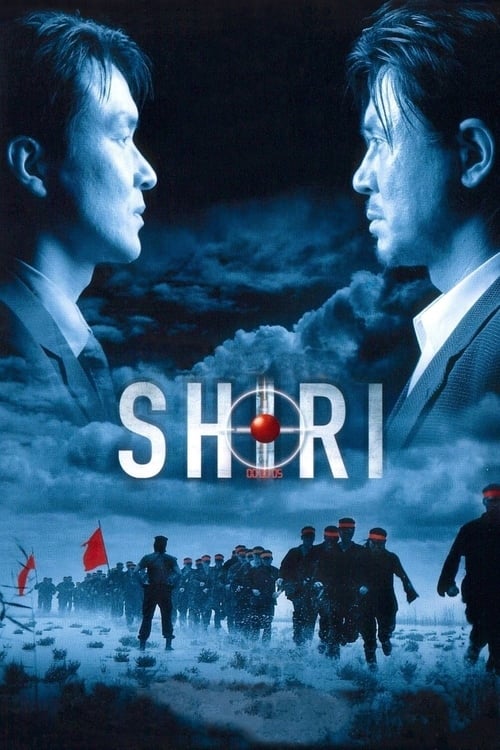
Shiri
Plot
North Korea's 8th Special Forces hijack a shipment of CTX, a potent new liquid explosive, and threatens South Korea as part of a plot to re-unify the two countries. Ryu and Lee, special agents of O.P., South Korea's secret intelligence service, attempt to track down the terrorists and find the CTX. Meanwhile Hee, the 8th's ultra-bad female sniper, resurfaces to wreak havoc and haunt Ryu.
Get the Weekly Woke Watchlist
New and trending movies scored for woke bias, preachy messaging, and forced political themes — before you waste your evening.
No spam. One useful email per week.
Overall Series Review
Categorical Breakdown
The narrative centers on a national/political conflict between two factions of a single ethnic group (Koreans). Character merit, specifically as elite intelligence and military operatives, drives the plot on both sides. The casting is historically and geographically authentic. There is no focus on Western concepts of race, immutable characteristics, intersectionality, or the vilification of whiteness.
The central conflict pits South Korean intelligence (representing the state/nation) against renegade North Korean terrorists, framing the agents as defenders of their home and people. The narrative’s primary critique is of the division of Korea and the hardline communist ideology of the North, not hostility toward South Korean or 'Western' institutions. While the North Korean characters are humanized by their desire for reunification, their terrorist methods and ideology are the force of chaos that the protagonists must defeat.
The key antagonist is Hee, an ultra-competent, elite female sniper and assassin who is central to the terrorist plot, fitting the 'Girl Boss' action-trope of extreme, nearly flawless competency. The female character is the most deadly and formidable figure in the film. However, her character's deep emotional connection and resulting romantic tragedy with the male protagonist complicate a simple 'perfect' feminist narrative, as her fate is ultimately tied to this conflict between love and ideology.
The narrative focuses entirely on a core traditional male-female romance between the protagonist and the antagonist, as well as a strong professional male-male partnership. The film contains no evidence of alternative sexualities being centered, deconstruction of the nuclear family, or engagement with gender ideology.
The conflict is political, military, and romantic, not theological. There is no presence of traditional religion, specifically Christianity, being used as a source of conflict or being villainized. Morality is framed around national duty, political ideology, and the sacrifice demanded by love in a divided nation, adhering to transcendent concepts like duty and loyalty rather than subjective power dynamics.
Get the Weekly Woke Watchlist
New and trending movies scored for woke bias, preachy messaging, and forced political themes — before you waste your evening.
No spam. One useful email per week.