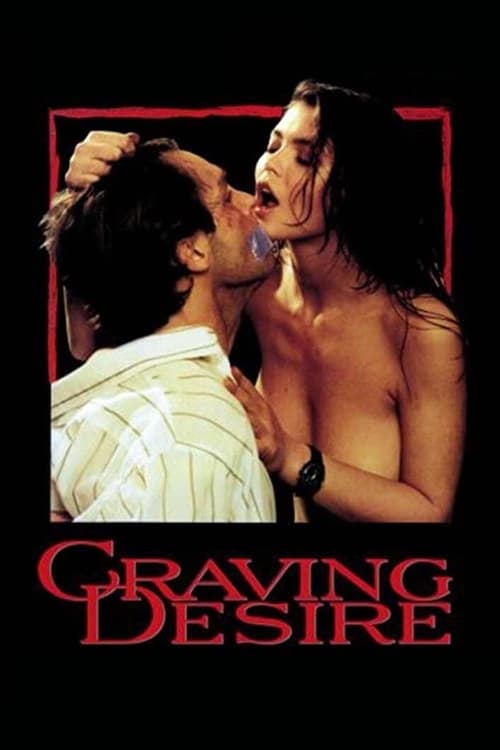
Craving Desire
Plot
Luigi, who is engaged to a rich bourgeois, Cinzia, meets his lovely cousin, Sonia, at the cremation of their grandmother. Six months later, Sonia moves in and enters his life, and gradually succeeds in seducing him. Sonia upsets his life. Now, Cinzia is jealous but he can not resist the seductress.
Get the Weekly Woke Watchlist
New and trending movies scored for woke bias, preachy messaging, and forced political themes — before you waste your evening.
No spam. One useful email per week.
Overall Series Review
Categorical Breakdown
The narrative focuses entirely on a personal, psychological thriller concerning lust, obsession, and betrayal within a family triangle. Characters are defined by their appetites and psychological manipulation, without any political commentary regarding race, intersectionality, privilege, or systemic oppression. Casting is merit-neutral, serving the story's Italian bourgeois setting.
The plot chronicles the destruction of Luigi's personal life and impending marriage. While the protagonist's traditional life is shown to be vulnerable to temptation, the source of chaos is the antagonist's maniacal and destructive personality, which the film condemns as monstrous, not a systemic critique of the surrounding institutions or Western civilization. The narrative supports a cautionary lesson against personal immorality.
The film does not employ modern 'Girl Boss' or anti-natalist tropes. Instead, it utilizes the classic 'succubus' or *femme fatale* archetype. The male protagonist is portrayed as passive and helpless against the seduction, ultimately being brutally attacked. Both female figures are demonized—the traditional fiancée is a nagging shrew, while the seductress is a destructive monster. The gender dynamic is one of conflict and ruin, which undermines a complementary view of the sexes.
The entire central conflict is an intensely heterosexual drama focused on illicit lust and infidelity, which leads to destruction and violence. There is no presence of queer theory, centering of alternative sexualities, or commentary on gender identity within the story. The narrative focuses on the failure of the normative structure through personal moral choice (adultery), not through ideological critique.
The movie uses clear moral and spiritual language, describing the seductress as a 'monster' and a 'succubus,' and Luigi's descent as a fall into 'debauchery.' The narrative concludes with a severe consequence for unchecked lust, implicitly supporting an objective moral lesson that destructive behavior has painful retribution. There is no direct hostility toward traditional religion or a promotion of moral relativism.
Get the Weekly Woke Watchlist
New and trending movies scored for woke bias, preachy messaging, and forced political themes — before you waste your evening.
No spam. One useful email per week.