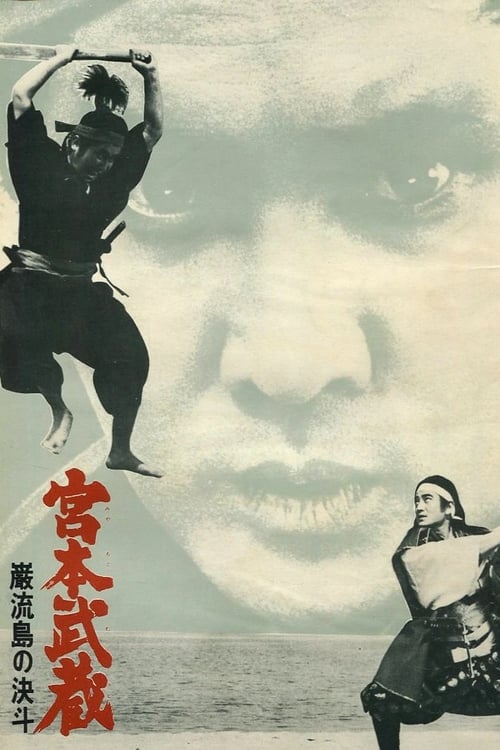
Miyamoto Musashi V: Musashi vs Kojiro
Plot
The fifth and final installment with the build up of the epic battle between Sasaki Kojiro and Miyamoto Musashi. With all the familiar characters making appearances: Otsu (Musashi's great love), Akemi, Matahachi (his former fellow soldier), old lady Osugi (still doggedly trying to defeat Musashi), and even the return of Priest Takuan (the man responsible for his journey towards enlightenment). But most of all, the boastful, long-haired and long-sworded Sasaki Kojiro.
Get the Weekly Woke Watchlist
New and trending movies scored for woke bias, preachy messaging, and forced political themes — before you waste your evening.
No spam. One useful email per week.
Overall Series Review
Categorical Breakdown
The film focuses on a famous duel between two historical Japanese swordsmen. The conflict is based entirely on the characters' mastery of skill and their differing philosophies, representing a universal meritocracy of the warrior path. The casting is historically and culturally authentic to its Japanese setting, with no forced insertion of diversity or racialized political commentary.
The narrative is a patriotic and cultural celebration of one of Japan's most revered folk heroes and a legendary event in samurai history. The film is set entirely within the traditional Japanese milieu, promoting ideals of self-discipline and martial philosophy. There is no element of civilizational self-hatred or demonization of the home culture or its ancestors.
The core plot centers on the rivalry and destiny of two men. Female characters like Otsu and Akemi primarily serve as romantic interests whose narrative purpose revolves around their emotional connection to the male protagonist, Musashi. The gender roles are traditional and complementary to the male-dominated historical samurai setting, without any sign of 'Mary Sue' tropes or anti-natalist messaging.
The film is a 1965 Japanese historical drama focused on a heterosexual love triangle and a duel between two male warriors. The narrative structure is entirely normative, featuring traditional male-female pairing as the standard for romance. There is no inclusion or centering of alternative sexual ideologies or deconstruction of the nuclear family.
The character of Priest Takuan, who guided Musashi toward enlightenment, features in the final installment, confirming a spiritual and philosophical dimension to Musashi's quest. The search for mastery and self-discipline is framed as a path to enlightenment, reinforcing the value of a transcendent moral and spiritual law rather than embracing moral relativism.
Get the Weekly Woke Watchlist
New and trending movies scored for woke bias, preachy messaging, and forced political themes — before you waste your evening.
No spam. One useful email per week.