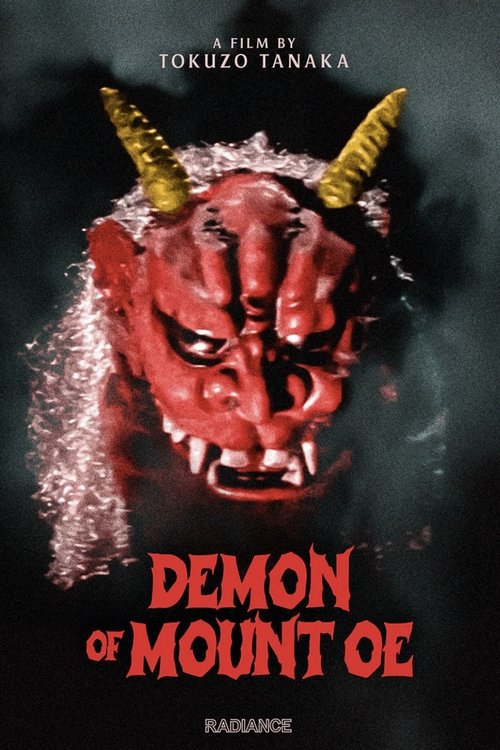
The Demon of Mount Oe
Plot
A demon-faced monster seeking revenge appears in the forms of a gigantic ox and a huge spider! The young Genji warrior protects the Fujiwara Clan and the beautiful lady in tragic love! A grand visual epic told with mesmerizing extravagance!
Get the Weekly Woke Watchlist
New and trending movies scored for woke bias, preachy messaging, and forced political themes — before you waste your evening.
No spam. One useful email per week.
Overall Series Review
Categorical Breakdown
The narrative focuses on a critique of the feudal, aristocratic power structure (the Mikado and Fujiwara clan) as corrupt and wicked. The supposed monster is a human rebel fighting against this systemic oppression of the lower class and the exploited. This is a lecture on class and political hierarchy rather than race-based identity politics.
The film does not attack Japanese culture or traditions wholesale, but it heavily demonizes the central authority figures of the national institutions (the 'wicked Mikado' and his chief advisor). This represents a specific self-criticism of the corrupt ruling class within its own civilization.
The plot's central conflict is triggered by the mistreatment of Lady Nagisa by a powerful official, leading to the film's repeated theme of 'women's liberation'. Reviewers note that the narrative frames the societal denial of agency to women as the 'real demon of Mount Oe'. A female demon/sorceress also laments that her ambitions are blocked because of her gender. This is a prominent focus on gender oppression.
There is no evidence of alternative sexualities, gender ideology, or a critique of the nuclear family. The romantic subplot is a traditional male-female pairing, and its tragic breakdown due to male political power is the story's driving force.
The film's focus is on political and social evil rather than religious evil. While the line between man and monster is blurred to question objective morality and show nuance, there is no hostility toward religion, specifically Christianity, as the film is rooted in Japanese folklore and Buddhist-influenced demonology.
Get the Weekly Woke Watchlist
New and trending movies scored for woke bias, preachy messaging, and forced political themes — before you waste your evening.
No spam. One useful email per week.