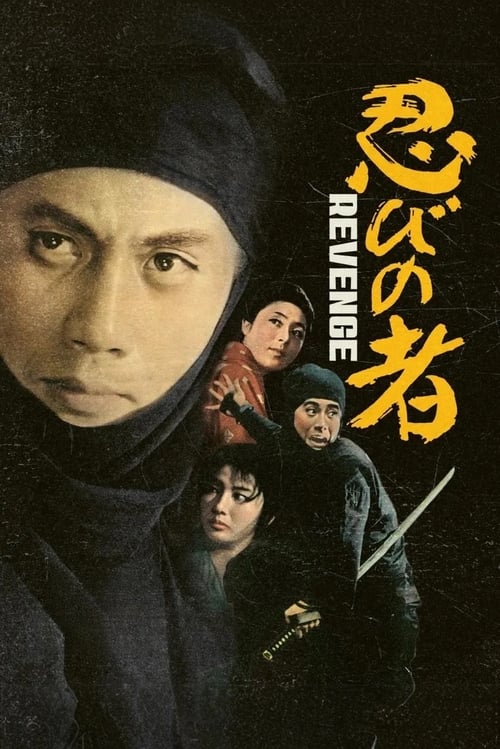
Shinobi no Mono 2: Vengeance
Plot
[Period covered: 1582-1594]. As the film opens, the warlod Nobunaga Oda rides to Iga Ayanokuni shrine. He is asked if he thinks he has destroyed all the ninja who opposed him and answers that he suspects that there may be more. A servant brings water and tests it first. The paige dies and we hear gunshots as two ninja flee the scene. His suspicions confirmed, Nobunaga oversees the execution of captured ninja and decides that, in the future, he needs a much crueler method of execution. The daimyo Hideyoshi comes to visit.
Get the Weekly Woke Watchlist
New and trending movies scored for woke bias, preachy messaging, and forced political themes — before you waste your evening.
No spam. One useful email per week.
Overall Series Review
Categorical Breakdown
The film is a Japanese period piece (Jidaigeki) set in the 16th century with an entirely Japanese cast. The central conflict is one of political power, oppression, and individual vengeance between rival Japanese factions. Character standing is based on skill, loyalty, and ambition, not on an immutable characteristic or a hierarchy of modern identity. There is no presence of 'race-swapping' or vilification of 'whiteness.'
The film offers a sharp, nihilistic critique of political corruption, 'capitalistic greed,' and tyrannical power dynamics, allegorizing post-war Japanese societal structures through the Sengoku period. This is an internal, self-critique of specific historical/political figures (Nobunaga) and systems, not a wholesale demonization of Japanese heritage or a preference for foreign cultures. It draws deeply from Japanese history and folk legend for cultural context.
The plot is entirely fueled by the destruction of the male protagonist's nuclear family unit—his wife and son. Goemon's personal tragedy, the loss of his child, is the singular catalyst for his path of bloody revenge. This structure strongly affirms the importance of the traditional male-female pairing and the family unit. The narrative does not feature 'Girl Boss' tropes, nor does it emasculate the male hero, who is a master ninja driven by protective masculinity and vengeance.
The film is a 1963 historical action/political thriller. The primary personal unit depicted is the traditional male-female relationship between Goemon and Maki. The focus is exclusively on war, political maneuvering, and personal revenge. There are no elements related to alternative sexualities, deconstructing the nuclear family, or lecturing on gender theory.
The film is dark and nihilistic in its depiction of the era's violence. However, the protagonist allies himself with the Ikko sect, a group of rebel Buddhists, framing their fight against the tyrant Nobunaga as a form of resistance. The villainous Nobunaga is described as relying on violence and fear, not religion or tradition, which positions him as the secular, morally depraved force against the protagonist's religiously-affiliated cause. The core motivation is an objective moral law: vengeance for the murder of an innocent child.
Get the Weekly Woke Watchlist
New and trending movies scored for woke bias, preachy messaging, and forced political themes — before you waste your evening.
No spam. One useful email per week.