Trials of an Okinawa Village
Plot
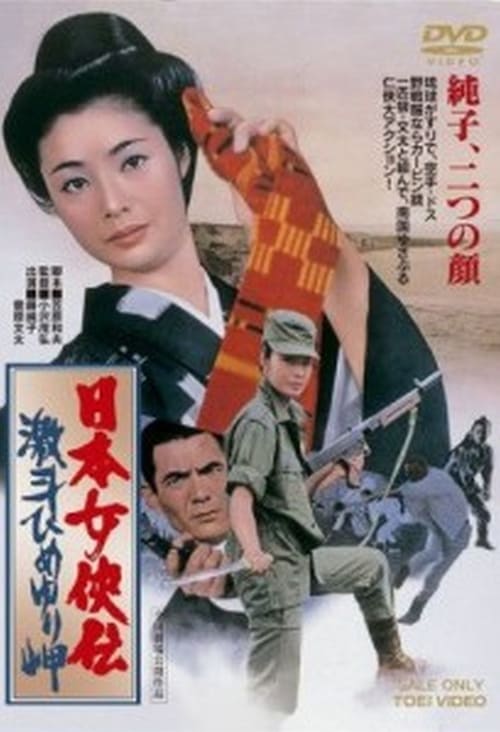
A boss from a trucking company has run-ins with evil yakuza during the American occupation of Okinawa. Her hometown is threatened by usurers, gangsters and indirectly by American GI influences. She must battle a yakuza organization with her employees to help settle things.
Get the Weekly Woke Watchlist
New and trending movies scored for woke bias, preachy messaging, and forced political themes — before you waste your evening.
No spam. One useful email per week.
Overall Series Review
Categorical Breakdown
The narrative focuses on the systemic oppression of the Okinawan people by powerful outsiders, specifically the mainland Japanese yakuza and the American military. This power dynamic centers the conflict on regional and national identity as a form of hierarchy. However, the film's main villains are from mainland Japan, preventing the conflict from being solely a vilification of 'whiteness.'
The central action involves the protagonist and her employees fighting to protect their hometown and culture from both foreign military influence and domestic criminal exploitation. This is a story of intense defense and preservation of the local home and community against corruption, demonstrating loyalty to one's own people and place.
The main protagonist is a female boss of a trucking company who leads her employees into a violent battle against powerful yakuza organizations. She is the most competent and moral character, successfully taking on a protective and authoritative role in a traditionally male-dominated genre and society. She serves as the singular effective 'Girl Boss' figure.
The film is a 1971 Japanese action/crime picture focused on territorial disputes, organized crime, and historical-political tensions. The plot shows no focus on alternative sexualities, deconstruction of the nuclear family, or gender ideology, adhering to a normative structure.
The core of the movie's morality is transcendent, revolving around the absolute objective good of defending the innocent and the local community against ruthless criminals and military exploitation. The conflict is secular and material, with no evidence of hostility toward religion or promotion of moral relativism.
Get the Weekly Woke Watchlist
New and trending movies scored for woke bias, preachy messaging, and forced political themes — before you waste your evening.
No spam. One useful email per week.