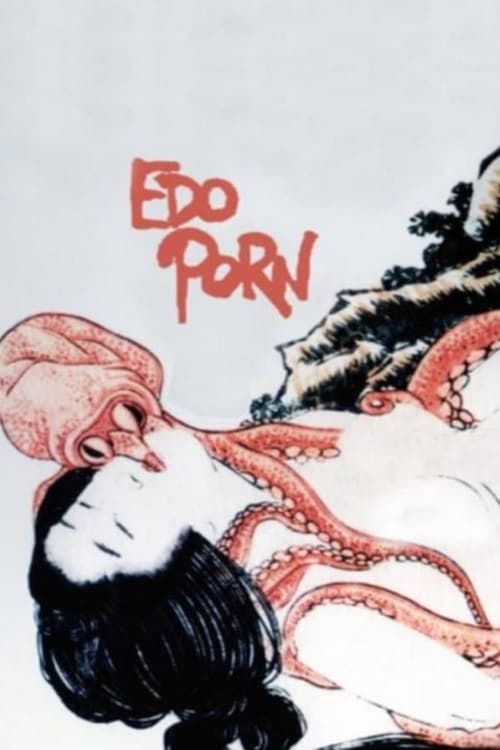
Edo Porn
Plot
The world-famous woodblock artist Hokusai (1760-1849), a widower in need of a steady income, lives with his daughter Oei in the house of his friend Bakin.
Get the Weekly Woke Watchlist
New and trending movies scored for woke bias, preachy messaging, and forced political themes — before you waste your evening.
No spam. One useful email per week.
Overall Series Review
Categorical Breakdown
The film is a historical biopic set entirely within Edo-era Japan. Characters are judged solely on their artistic merit, dedication, and personal conduct, aligning with a universal meritocracy. There is no presence of 'whiteness' to vilify, no forced diversity, and the central conflict revolves around an artist's personal and financial struggle rather than a lecture on systemic oppression.
The movie is a celebration of a historical Japanese artist and his cultural accomplishments. The narrative respects the core institutions and artistic tradition of the Edo period. It critiques the *societal constraints* and repression that forced artists like Hokusai to circulate his erotic art 'under the counter,' which is an internal critique of social systems, not a wholesale demonization of the home culture or its ancestors.
The female lead, Ōei, is a central figure and a talented artist in her own right who manages her father's household, assists in his art, and sacrifices her own life for his career. She is a figure of strength and devotion, but the narrative does not frame her as a 'Girl Boss' who is instantly perfect. Hokusai is flawed but ultimately a figure of creative nobility, not a bumbling idiot. Ōei's withdrawal to celibacy is a personal tragedy of unrequited love, not a political condemnation of motherhood or family life.
The core subject matter is the creation of *shunga* (explicit erotic art), including the iconic 'The Dream of the Fisherman's Wife,' which features non-normative sexual content. The film centers eroticism and sexual expression as a powerful artistic muse and a reflection of the uninhibited sensuality of Edo-era culture. This focus on non-traditional sexual content gives it a higher score, even though it is a historical depiction rather than an explicit lecture on modern queer theory or gender ideology.
The narrative is primarily focused on the secular world of art, money, and passion. There is no overt hostility toward religion. The film incorporates a Buddhist priest's interpretation of Hokusai's art (Pleasure equals Death), showing religion engaging with morality and human passion rather than being depicted as the root of evil. Morality is tied to the human struggle for artistic truth and discipline, not reduced to subjective 'power dynamics'.
Get the Weekly Woke Watchlist
New and trending movies scored for woke bias, preachy messaging, and forced political themes — before you waste your evening.
No spam. One useful email per week.