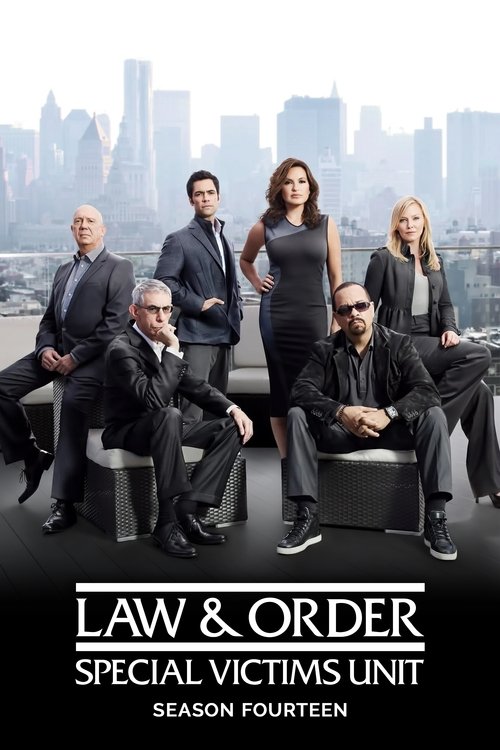
Law & Order: Special Victims Unit
Season 14 Analysis
Season Overview
No specific overview for this season.
Season Review
Categorical Breakdown
The narrative prioritizes the nature of the sexual crimes and the pursuit of justice over explicit lectures on systemic oppression or white privilege. Characters are defined by their competence, moral convictions, and personal flaws, rather than primarily by immutable characteristics. Main characters of different races and genders, such as Fin and Barba, are depicted as highly competent professionals. Detective Amaro, who is Hispanic, struggles with personal failures but is a dedicated detective, avoiding the trope of incompetent white male authority figures.
The show consistently depicts the failure and corruption of established American institutions like the NYPD (in the Cragen scandal), the college system (in 'Girl Dishonored'), and private schools (in 'Lessons Learned'). The justice system itself is often framed as flawed or biased, but the core heroic detectives fight *within* this system, suggesting a fundamental belief in the possibility of justice and reform, rather than a full demonization of the entire home culture or ancestors.
The show is inherently centered on crimes against women and children, often reinforcing a feminist-aligned perspective of victim support. Olivia Benson continues as a highly capable and emotionally strong female lead. However, the female detective Amanda Rollins is portrayed with deep, life-ruining personal flaws and poor decision-making regarding her troubled sister and financial issues. Male characters like Detectives Fin and Amaro, and ADA Barba, are also complex and competent, preventing a narrative where all men are bumbling or toxic.
Alternative sexualities are a subject of topical crime, most notably in the episode 'Criminal Hatred,' which explores the dynamics of gay men attacking closeted gay married men. This is handled as a crime focused on social dynamics and personal conflict, which centers an alternative sexuality, but the narrative does not expand into contemporary gender ideology or framing the nuclear family as inherently oppressive. The focus remains on the specific crime and the justice process.
The episode 'Presumed Guilty' focuses on a case involving a priest and the long-hidden sex abuse scandal within the Church. The traditional religious institution is portrayed as complicit in a major crime and cover-up, which aligns with the trope of traditional religion being the source of evil or corruption. While the focus is on institutional betrayal rather than a general critique of all faith, this episode specifically positions a powerful Christian body as fundamentally corrupted, contributing to a high score in this category.