Law & Order: Special Victims Unit
Season 2 Analysis
Season Overview
No specific overview for this season.
Season Review
Categorical Breakdown
Characters are judged based on their criminal actions and individual psychopathy. The villains include a white corporate executive and a foster parent, and the casting of a Black detective (Fin Tutuola) and a female ADA (Alex Cabot) reflects the diversity of New York City and the police force, not a mandated intersectional quota. The plot does not exist to lecture on systemic oppression.
The season contains an episode, 'Honor,' which centers on the assault of an Afghan diplomat's daughter and the tradition of 'honor killings.' The episode portrays this foreign cultural practice as vile and barbaric, establishing the American justice system as the protective institution against foreign cultural chaos, the opposite of civilizational self-hatred.
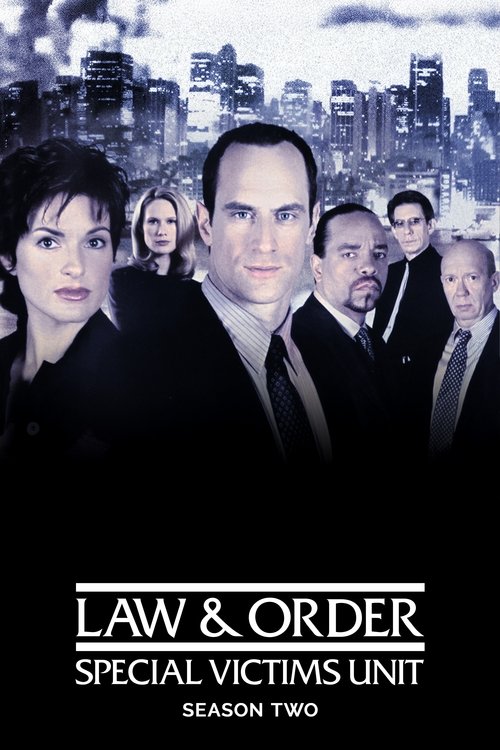
Detective Olivia Benson is a strong, competent lead, and her partner, Elliot Stabler, is equally capable, preventing total emasculation. The introduction of ADA Alex Cabot establishes a 'crusading lawyer' persona, moving the show toward the 'Girl Boss' trope by highlighting a powerful female careerist. However, Stabler's family life and the focus on child abuse/parenting dilemmas in other episodes prevent the narrative from becoming explicitly anti-natalist or completely demonizing masculinity.
The season's content centers on crimes related to sexual violence, which is the show's premise. There are no plotlines dedicated to promoting 'Queer Theory' or gender ideology, which are characteristics of a high score in this category. An episode involving male escorts focuses on the crime of assault and murder, treating sexual activity as a component of the criminal underworld rather than a political identity to be championed.
The series operates within a secular justice system, focusing on the legal and psychological dimensions of crime. The tone is often one of 'Black-and-Grey Morality' as the detectives deal with complex, flawed individuals and challenging ethical scenarios, such as a sympathetic murderer. This exploration of moral ambiguity is a slight move away from 'Objective Truth,' but the show does not actively vilify religion, specifically Christianity, or frame it as the root of evil.