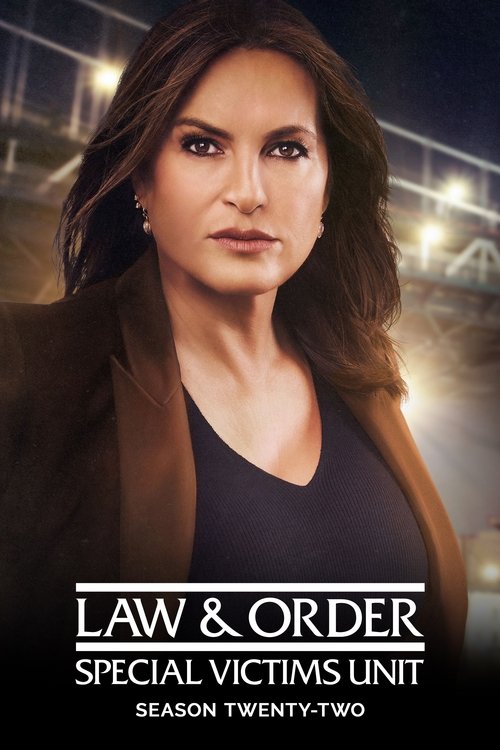
Law & Order: Special Victims Unit
Season 22 Analysis
Season Overview
No specific overview for this season.
Season Review
Categorical Breakdown
The season premiere centers the plot entirely around an event that mirrors the Central Park 'Karen' incident, where a white woman falsely accuses a Black man. Captain Benson faces accusations of 'implicit bias' and the main plot exists to demonstrate systemic racism in policing, suggesting a complete reliance on race and immutable characteristics over merit or fair process. A Deputy Chief warns the main characters that an anti-police 'purge' is coming. The narrative constantly uses an intersectional lens to frame justice outcomes.
The showrunner’s stated intention was to reflect a New York City that has 'lost faith in the NYPD and the DA’s office'. The first episode frames the police as an institution that is actively racist and flawed, to the point where the main white protagonist (Benson) is scrutinized for her own actions. The local institution of law enforcement is consistently framed as fundamentally corrupt and requiring 'change' from the NYPD brass down.
Captain Benson maintains her status as the perfect 'Girl Boss' authority figure and moral center, while male characters often appear as toxic villains, bumbling figures, or emotional support for the female leads. One episode features a man as the victim of sexual assault by his wife, which is an atypical plot point for the series, but the long-standing narrative framework maintains female characters as competent, protected heroes and men as the primary source of sexual violence and incompetence.
The season continues the franchise's commitment to centering alternative sexualities and gender issues, with a focus on 'political and societal issues associated with gender identity'. One main cast member, Officer Kat Azar Tamin, is an openly bisexual character. While there is no explicit 'gender ideology for kids' plot in this specific season, the franchise's active pursuit of progressive sexual ideology stories is a constant and prominent theme, reflecting a world where sexual identity is a central trait for its characters.
Traditional religion is not a central focus of vilification, but the show operates on an entirely secular, progressive moral foundation where 'justice' is defined by ever-shifting social and political power dynamics rather than any transcendent moral law. While main characters like Carisi are culturally Catholic, their professional morality is dictated by a progressive interpretation of social justice and systemic change, not faith. This creates a spiritual vacuum where morality is entirely subjective to the current political climate.