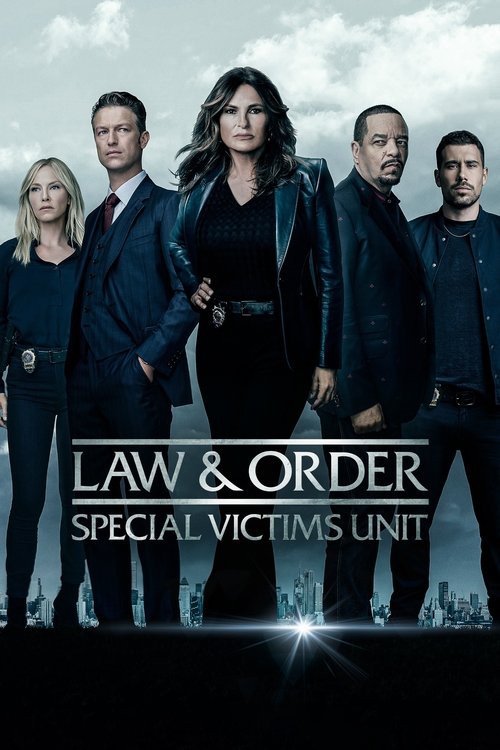
Law & Order: Special Victims Unit
Season 24 Analysis
Season Overview
No specific overview for this season.
Season Review
Categorical Breakdown
The narrative places heavy emphasis on the intersectional lens, featuring a major plotline that highlights the harm caused by a detective's refusal to accept his transgender child's identity. The show attempts to tell a story of policing adapted to what it frames as 'progressive ideals' following the 2020 protests. Male figures in authority, such as Chief Tommy McGrath, are depicted as being inclined to rage and violence, with their behavior contaminating the legal process.
The series engages in a degree of self-criticism regarding its own core institution, the NYPD, by acknowledging the change in public confidence in the police. While the show is fundamentally about upholding the American justice system in New York City, it is noted as trying to walk a fine line between the valorization of policing and adopting more progressive ideals. This self-critique prevents a low score, but the system is ultimately shown to be the necessary means to deliver justice.
The season reinforces the 'Girl Boss' trope, with Captain Olivia Benson serving as the consistent moral beating heart and most competent officer in the entire police force. A plot point explicitly shows a powerful male chief handling his daughter's assault case by attempting to interfere, making things harder, and 'bashing his thick skull through the legal process,' which serves to emasculate the male authority figure by comparison. Motherhood and family life are sometimes presented negatively, as seen in storylines featuring toxic, overbearing mothers whose unhealthy attachments drive their sons' crimes.
The season features a significant episode that centers entirely on gender ideology and the issue of transphobia. The story focuses on a detective whose murder victim daughter was a transgender woman, with the central moral lesson being the detective's shame over his 'non-acceptance' of her identity. The plot explicitly frames parental non-acceptance of a child's chosen gender identity and pronouns as a moral failing.
The show operates primarily within a secular worldview, focusing on the legal and psychological aspects of crime. Morality is framed in terms of social and power dynamics—what is 'right' is often what aligns with progressive social justice ideals—rather than a higher moral or religious law. The show is not overtly hostile to religion, as religious characters are not central, but it does not acknowledge faith as a significant source of transcendent strength, operating instead in a spiritual vacuum centered on the state's legal process.