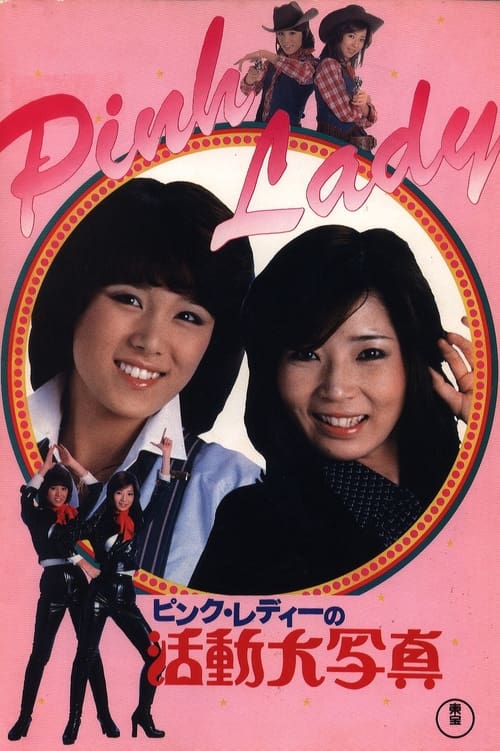
Pink Lady's Motion Picture
Plot
The Japanese pop music duo Pink Lady are circus performers who show kindness toward a captured "monster," a sad, furry being (played by a man in a bulky, over-sized pink acrylic costume) who suffers acts of unusual cruelty by the keeper and ringmaster before the girls escape with the creature in a circus trailer.
Get the Weekly Woke Watchlist
New and trending movies scored for woke bias, preachy messaging, and forced political themes — before you waste your evening.
No spam. One useful email per week.
Overall Series Review
Categorical Breakdown
The narrative does not center on race, immutable characteristics, or intersectional hierarchy. The conflict is a universal one between the kind Pink Lady duo and cruel male circus personnel, or between honest and deceitful romantic partners. Casting is authentic to the Japanese pop duo, and there is no attempt at 'race-swapping' or vilification of 'whiteness.'
The film does not contain hostility toward Western or Japanese civilization. The satire is directed at specific, unlikable characters, such as the sleazy male producer in the wraparound segment or the cruel circus ringmaster. The overall tone is celebratory of the Pink Lady's success in Japanese pop culture, with one segment even engaging with the Western genre without critique.
The score is slightly elevated because the female leads are depicted as competent, heroic figures who actively save a creature, fight crime, and navigate a complex romantic situation. However, the film is a product of the idol industry, heavily leveraging the duo's 'bubble gum sex appeal' and displaying them in 'ultra-skimpy circus outfits,' which counters the modern 'Girl Boss' trope. Furthermore, the romantic melodrama includes a significant instance of female self-sacrifice for the sake of her sister's domestic stability and happiness.
The narrative maintains a normative structure, focusing on traditional male-female romantic pairings in its melodrama segment. There is no presence of alternative sexualities, deconstruction of the nuclear family, or lecturing on gender theory. Sexuality remains a private aspect of the character's romantic pursuits without becoming the primary definitional trait.
Religion and anti-theism are entirely absent from the film's light-hearted, pop-music focused narrative. The moral compass is based on simple, objective truths of compassion (saving the monster) and honesty in personal relationships, without any reference to a spiritual vacuum or hostility toward traditional faith.
Get the Weekly Woke Watchlist
New and trending movies scored for woke bias, preachy messaging, and forced political themes — before you waste your evening.
No spam. One useful email per week.