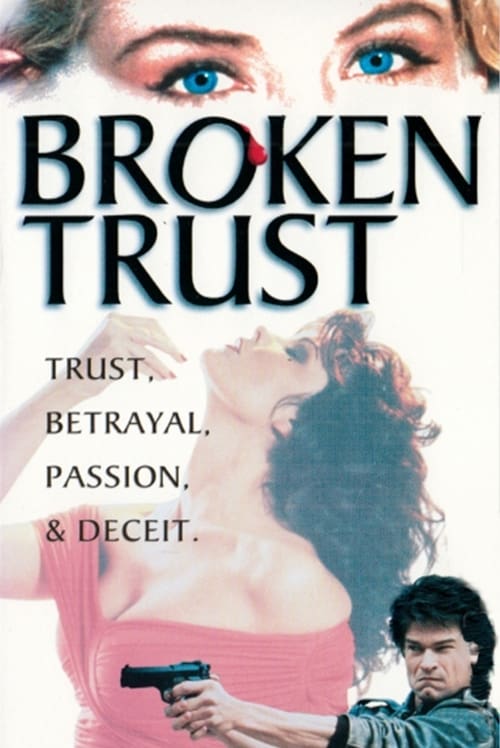
Broken Trust
Plot
A young woman who inherits her late father's estate and business finds others are conspiring against her.
Get the Weekly Woke Watchlist
New and trending movies scored for woke bias, preachy messaging, and forced political themes — before you waste your evening.
No spam. One useful email per week.
Overall Series Review
Categorical Breakdown
Characters are defined by their personal relationships and criminal intentions concerning an inheritance and business, not by race or immutable characteristics. The conspiracy is a matter of individual avarice. The narrative does not contain lectures on privilege, systemic oppression, or the vilification of whiteness.
The plot's central motivation is the preservation of the family estate and business from internal corruption. The narrative focuses on the betrayal of individual trust, not a condemnation of Western civilization, American heritage, or its institutions. The home and ancestors (the father's legacy) are treated as valuable things worth defending from chaos.
The female lead, Erica Brogan, is placed in a position of power (inheriting a business) and must demonstrate resilience to survive a conspiracy. Her competence is established through her actions to uncover the truth. The story does not focus on anti-family or anti-natal messaging, but it does show a woman asserting leadership in a field where men are often depicted as the primary aggressors (conspirators). This is a mild 'strong woman' trope but avoids the 'Mary Sue' stereotype and overt emasculation of men.
The story is a 1993 crime/suspense drama focused on an inheritance and corporate conspiracy. The plot does not center on alternative sexualities, sexual identity, or gender ideology. The traditional male-female pairing and nuclear family structure are the normative assumption of the setting.
The conflict is secular, dealing with money, business, and criminal actions like conspiracy and attempted murder. Traditional religion is not featured as a source of evil or bigotry. The morality of the plot is objective, where theft and murder are clearly defined as wrong, establishing a higher moral law implicitly violated by the villains.
Get the Weekly Woke Watchlist
New and trending movies scored for woke bias, preachy messaging, and forced political themes — before you waste your evening.
No spam. One useful email per week.