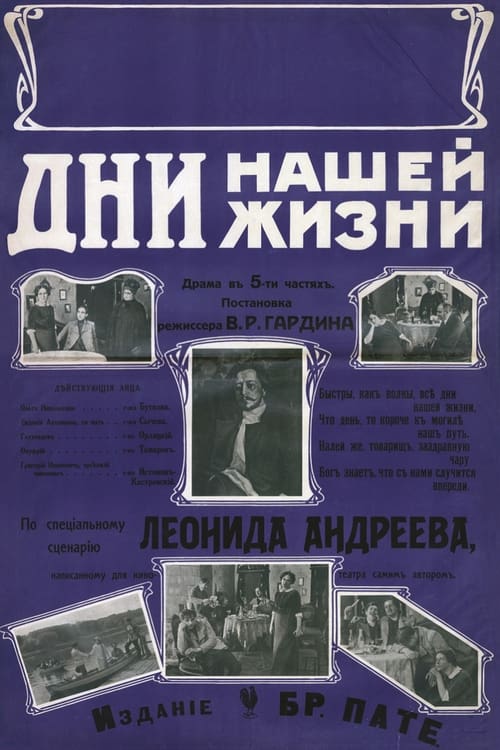
Days of Our Life
Plot
Get the Weekly Woke Watchlist
New and trending movies scored for woke bias, preachy messaging, and forced political themes — before you waste your evening.
No spam. One useful email per week.
Overall Series Review
Categorical Breakdown
Characters of various racial and ethnic backgrounds were introduced into the formerly white cast, and the show actively seeks to give representation. Recent storylines center Black families, feature Juneteenth celebrations, and include explicit plot points that contrast the judicial treatment of Black and white characters, highlighting perceived systemic injustice.
The show is a classic American soap opera focused on the domestic and romantic lives of families in the fictional Midwestern town of Salem. The core dramatic engine remains centered on personal tragedy, medical drama, and criminal secrets, not broad hostility toward Western institutions or a critique of American civilization.
The show features narrative inversions of traditional gender tropes, such as a female character actively rescuing her male partner from jail. Actresses and the creative process openly embrace feminist ideals, and the narrative features many powerful professional women, aligning with 'Girl Boss' tropes.
The show is a major pioneer in LGBTQ+ visibility, featuring gay super-couples, the first same-sex male marriage in daytime television history, explicit bisexual and fluid-sexuality storylines, and the inclusion of drag culture figures. Sexual identity is a frequent and central narrative device.
The core of the genre is moral sensationalism, with characters frequently committing murder, adultery, and other crimes that are often forgiven or redeemed, implying a subjective morality. The show is famous for its occult storylines, including a long-running plot about a main character being possessed by Satan, which sensationalizes Christian concepts for entertainment.
Get the Weekly Woke Watchlist
New and trending movies scored for woke bias, preachy messaging, and forced political themes — before you waste your evening.
No spam. One useful email per week.