Where the River Padma Flows
Plot
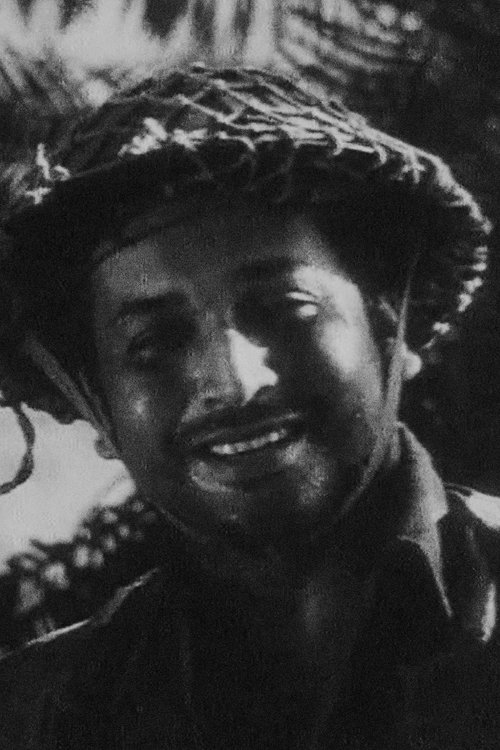
The film brings to the screen the determination of the common man of Bangladesh to stand up to tyranny and win his priceless liberty back.
Get the Weekly Woke Watchlist
New and trending movies scored for woke bias, preachy messaging, and forced political themes — before you waste your evening.
No spam. One useful email per week.
Overall Series Review
Categorical Breakdown
The film centers on the Bengali 'common man' struggling for national and ethnic liberty against the oppressive Pakistani regime. This is an authentic conflict based on regional and national identity, which is not equivalent to the Western 'intersectional lens' or the vilification of 'whiteness.' Characters are defined by their patriotic commitment to freedom, a universal merit of the soul, rather than an immutable characteristic-based hierarchy.
The narrative is a pure expression of gratitude and national identity, viewing the Bengali land, symbolized by the 'Mother River' Padma, as the home to be liberated and celebrated. The hostility is directed at an external, tyrannical state (Pakistan), not at the fundamental values, institutions, or ancestors of the home culture. It views liberty and the nation as a shield against chaos.
The film uses the River Padma as the central metaphor of the 'Mother River' and the nurturing motherland. This trope aligns with the celebration of motherhood and the maternal archetype. While the director's broader work may offer a proto-critique of social constraints on women, this specific war-time documentary focuses on a national fight for survival, framing the feminine primarily as a source of cultural continuity, not a perfect 'Girl Boss' figure.
The film is a 1971 short political documentary focused on a war of independence. The narrative adheres to a normative structure, with the topic of alternative sexualities, gender ideology, or the deconstruction of the nuclear family being entirely absent from the film’s theme, era, and regional context.
The core conflict is the fight for liberty against an oppressive tyranny, which functions as a transcendent, objective moral struggle of right versus wrong. The film draws on cultural-spiritual symbolism, such as the river as a sacred mother-figure, which, while potentially moving beyond formal dogma, uses faith and cultural spirit as a source of strength against evil, rather than framing traditional religion as the root of evil.
Get the Weekly Woke Watchlist
New and trending movies scored for woke bias, preachy messaging, and forced political themes — before you waste your evening.
No spam. One useful email per week.