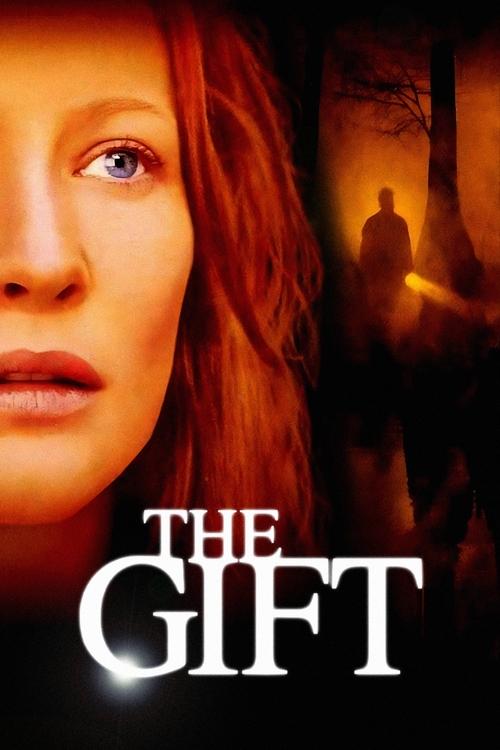
The Gift
Plot
Annie Wilson, young widow and mother of three, makes her living foretelling others' futures—though her own has become cloudier than even she can see. Threatened by a client's violent husband and plagued by visions of a missing local woman, Annie finds herself pulled into a thicket of lies and deception in which her extraordinary gift may ultimately get her killed.
Get the Weekly Woke Watchlist
New and trending movies scored for woke bias, preachy messaging, and forced political themes — before you waste your evening.
No spam. One useful email per week.
Overall Series Review
Categorical Breakdown
The narrative focuses on a universal crime story of abuse and murder in a small town. Character merit is judged by moral action versus criminality, not immutable characteristics like race. The main conflict is not presented as an intersectional lecture on privilege or systemic oppression based on race. The casting is predominantly white and adheres to the setting without forced diversity or race-swapping.
The Southern small-town setting, representing a specific American home culture, is framed as fundamentally corrupt and a source of hidden violence and ignorance. Critics noted the characters lean toward the 'Southern grotesque,' and the protagonist is persecuted by a judgmental community, suggesting a hostility toward the traditional social norms of the environment.
The protagonist is a highly effective, morally perfect single mother who succeeds by relying on her own power outside of traditional male authority figures. Many of the prominent male characters are depicted as violent abusers, emotional wrecks, or the secret killer. The narrative elevates the woman-as-savior archetype and champions the protagonist's independent, matriarchal family structure as superior to the town's traditional, patriarchal framework.
The film does not contain any explicit themes, characters, or political messaging related to sexual ideology, alternative sexualities, or gender theory. The relationships central to the plot are strictly heterosexual, focusing on domestic abuse and infidelity within a standard male-female pairing.
The protagonist's supernatural gift, her communication with the dead, is actively and negatively condemned by townspeople who hold 'stalwart Christian beliefs.' This traditional religion is portrayed as the source of the community's ignorance and bigotry. The narrative validates the protagonist's non-traditional spirituality as the only path to objective truth and justice, positioning it in opposition to the established Christian faith.
Get the Weekly Woke Watchlist
New and trending movies scored for woke bias, preachy messaging, and forced political themes — before you waste your evening.
No spam. One useful email per week.