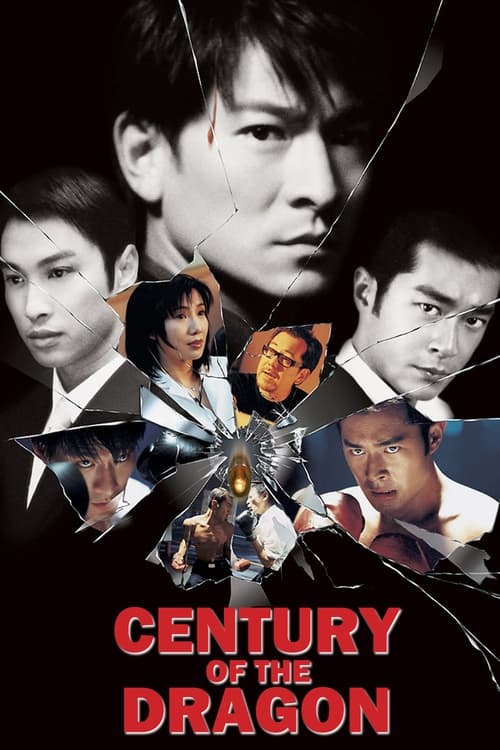
Century of the Dragon
Plot
Rookie policeman Shing (Louis Koo) grapples with right and wrong in this action-packed story about Hong Kong gangsters. Assigned to go undercover, Shing is so successful in playing the part of a gang member that he becomes right-hand man to gang leader Fei Ling (Andy Lau). Shing comes to respect Fei Ling and question his original motives, but the troubled cop must make a crucial decision before rival gangs and impatient cops move in for the kill.
Get the Weekly Woke Watchlist
New and trending movies scored for woke bias, preachy messaging, and forced political themes — before you waste your evening.
No spam. One useful email per week.
Overall Series Review
Categorical Breakdown
The film focuses entirely on a conflict of loyalty and personal choice between characters, without reference to race, class, or intersectional status. The entirely East Asian cast and Hong Kong setting mean concepts like the vilification of 'whiteness' or forced diversity are entirely absent. Character merit, integrity, and honor are the only measures of a man, even in the criminal underworld.
The narrative is a local Hong Kong triad drama and police procedural, featuring an internal critique of institutional corruption within the police force and the violence of the criminal underworld. The plot does not express hostility toward 'Western civilization,' 'home,' or 'ancestors' in a civilizational self-hatred context. The honorable former triad boss attempting to 'go straight' and protect his family represents a desire for order and a positive view of fundamental institutions like family.
Gender roles are traditional, focusing on a strong, loving, and complementary relationship between the triad boss and his wife. The wife is a primary motivation for the male lead to pursue a legitimate life, and she becomes 'tougher' to protect the family, which frames motherhood and partnership as protective strength, not a prison. The narrative contains no 'Girl Boss' tropes, emasculation of males, or anti-natalist messaging.
The film is a 1999 Hong Kong crime film with a sole focus on heterosexual relationships and male-centric brotherhood. Alternative sexualities and gender ideology are not present, centered, or discussed. The traditional male-female pairing is the normative structure for all principal relationships in the story.
The moral and ethical conflict is entirely secular, revolving around the internal codes of honor and loyalty within the triad and police worlds versus the rule of law. The film acknowledges an objective moral law based on honor, betrayal, and protecting the innocent. Traditional religion, specifically Christianity, is neither a focus nor a source of villainy; therefore, anti-theism is not a theme.
Get the Weekly Woke Watchlist
New and trending movies scored for woke bias, preachy messaging, and forced political themes — before you waste your evening.
No spam. One useful email per week.