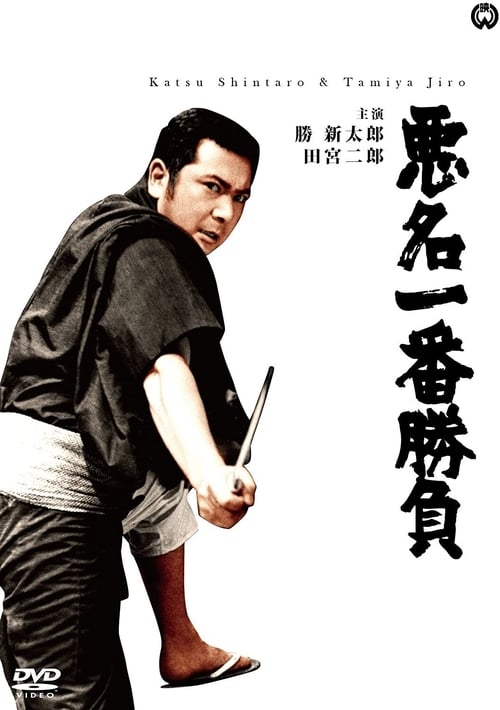
Bad Reputation: Showdown of the Best
Plot
Get the Weekly Woke Watchlist
New and trending movies scored for woke bias, preachy messaging, and forced political themes — before you waste your evening.
No spam. One useful email per week.
Overall Series Review
Categorical Breakdown
Characters are judged purely by their adherence to the yakuza code of honor (*jingi*) versus their greed or brutality. The entire conflict is a struggle over moral merit and loyalty within a Japanese mono-culture; Western-centric identity politics based on race or intersectional hierarchy are not a factor.
The narrative is a defense of the ancestral, old-school code of chivalry and duty against the modern, corrupting influences of the post-war gangs. The film advocates for the core traditional values of the protagonist's culture, framing them as a shield against chaos, which aligns with the Gratitude and Chesterton’s Fence principle.
The core plot is driven by the male protagonist’s duty and honor. While strong female characters exist, such as the female lead who is often a significant figure, the world is one of protective masculinity and traditional gender dynamics, reflecting the complementary 'Showa Model' of the era. There is no anti-natalist messaging or theme of male emasculation.
The hyper-masculine codes and traditional social structures of the yakuza genre in 1969 Japan preclude any focus on alternative sexualities, deconstruction of the nuclear family, or gender ideology. The structure is entirely normative.
The entire story revolves around a rigid, objective, and transcendent moral code: the yakuza code of *jingi* (chivalry, duty, and honor). The protagonist’s actions are motivated by a higher moral law of loyalty and compassion (*ninjo*), placing this film squarely in the Transcendent Morality category.
Get the Weekly Woke Watchlist
New and trending movies scored for woke bias, preachy messaging, and forced political themes — before you waste your evening.
No spam. One useful email per week.