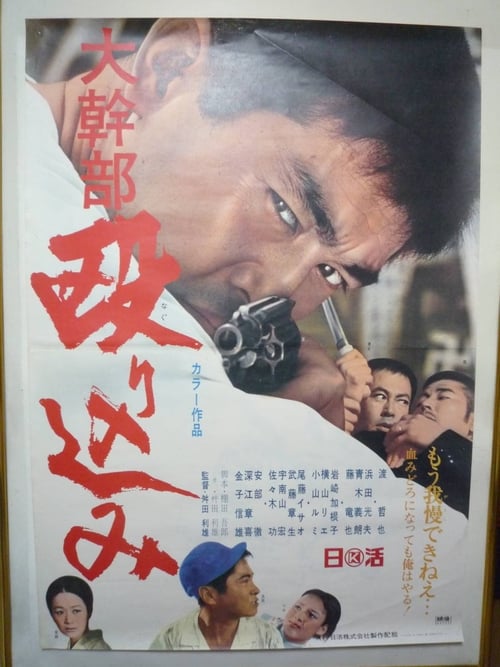
The Fatal Raid
Plot
Kazama and three others defeated Yoshie Sangyo, but the Nishio group was disbanded due to public pressure, and the territory belonged to the Hirata group.
Get the Weekly Woke Watchlist
New and trending movies scored for woke bias, preachy messaging, and forced political themes — before you waste your evening.
No spam. One useful email per week.
Overall Series Review
Categorical Breakdown
Characters are judged by their effectiveness, loyalty, and standing within the Yakuza structure, which is a universal meritocracy based on criminal prowess. The conflict is internal to Japanese organized crime, not focused on race, systemic oppression, or the vilification of any outside group.
The film deals with internal conflict within a crime syndicate and its codes of honor, *giri* and *ninjo*. It is a critique of a subculture's degradation, not a broader hostility toward Japanese or Western civilization. The structure respects traditional criminal hierarchy and the sacrifices made for the group's territory.
The plot is entirely focused on male gang leaders and their rivalries for territory. Women are absent from the central action of defeating Yoshie Sangyo and the subsequent power transfer. There is no presence of the 'Girl Boss' trope, the emasculation of males, or anti-natalist messaging.
The narrative is centered on a classic yakuza power struggle, featuring traditional male-male dynamics of loyalty and conflict. There is no content or lecturing related to alternative sexualities, gender ideology, or the deconstruction of the nuclear family.
As a 1960s Japanese genre film, the narrative is guided by secular principles of honor and duty (*giri*). It acknowledges a higher moral law in the form of the yakuza code, which the main character (Kazama) either upholds or sees degraded, rather than embracing modern moral relativism or actively targeting traditional religion.
Get the Weekly Woke Watchlist
New and trending movies scored for woke bias, preachy messaging, and forced political themes — before you waste your evening.
No spam. One useful email per week.