Don't Look Up
Plot
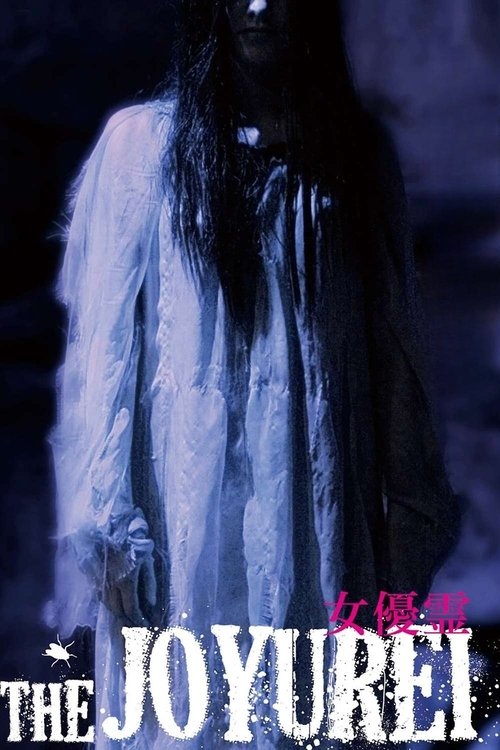
A filmmaker and crew slowly go insane after being continually haunted by the ghost of a dead actress.
Get the Weekly Woke Watchlist
New and trending movies scored for woke bias, preachy messaging, and forced political themes — before you waste your evening.
No spam. One useful email per week.
Overall Series Review
Categorical Breakdown
The film is a Japanese production with an entirely Japanese cast, dealing with local folklore and the internal dynamics of a Japanese film set. The narrative does not engage with race, 'whiteness,' or intersectional hierarchy; character merit and psychological tension drive the plot.
The movie is a Japanese horror story set in a local film studio. There is no criticism or hostility directed toward 'Western civilization' or its core institutions. The story is a straightforward supernatural thriller focusing on a localized haunting.
Gender roles are conventional for a 1996 Japanese film set environment, featuring a male director and female actresses. The vengeful spirit is female, a traditional *onryō* figure, but the role of the actresses or the ghost does not involve modern 'Girl Boss' tropes, the emasculation of males, or anti-natalist messaging.
The plot is focused entirely on the supernatural haunting and the deteriorating mental state of the film crew. The narrative does not involve centering alternative sexualities, deconstructing the nuclear family, or presenting gender ideology.
The conflict revolves around a traditional vengeful ghost (a supernatural being) from Japanese folklore, not a critique of religion. There is no content or dialogue that expresses hostility toward Christianity, and the film does not engage in a discussion of moral relativism versus objective truth.
Get the Weekly Woke Watchlist
New and trending movies scored for woke bias, preachy messaging, and forced political themes — before you waste your evening.
No spam. One useful email per week.