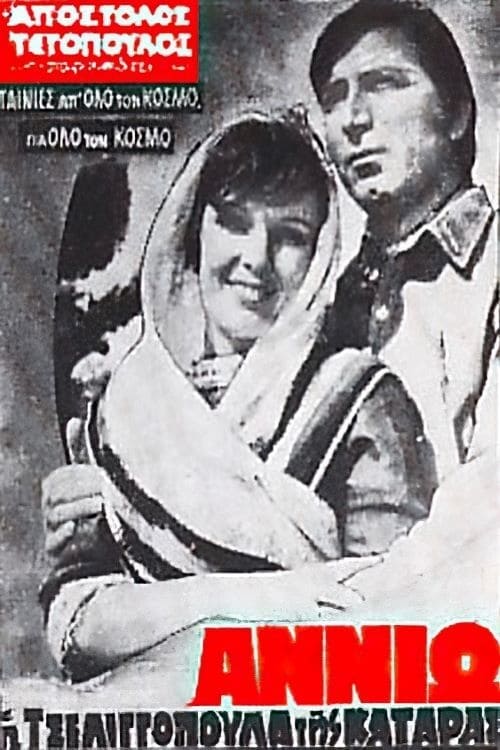
Annio the cursed tseligopoula
Plot
Get the Weekly Woke Watchlist
New and trending movies scored for woke bias, preachy messaging, and forced political themes — before you waste your evening.
No spam. One useful email per week.
Overall Series Review
Categorical Breakdown
The conflict is based entirely on a family feud over property and revenge, a clash of individuals and inherited hatreds. The narrative focuses on the moral choices of the characters to rise above the conflict, not on immutable characteristics or intersectional hierarchies. Characters are judged by the content of their soul and actions.
The film champions an ultimate reconciliation within the home culture and community. The resolution is the healing of the village and the family structure through love, which views traditional bonds as a shield against chaos. There is no depiction of the Western or Greek home culture as fundamentally corrupt; the corruption is a personal moral failure (hatred, greed) that is ultimately defeated.
Annio, the central female character, acts as a traditional but essential complementary figure whose love is the catalyst for peace. The mother's role is antagonistic as she embodies the call for vengeance, which the son rejects. There is no 'Girl Boss' trope or anti-natalism; the union of the couple is presented as the vital end that dispels the curse and secures the future.
The primary focus is a normative, traditional male-female romantic pairing (the doctor and Annio) whose union is the solution to the community's problems. The narrative is a straightforward romantic tragedy-turned-triumph. No alternative sexual ideologies, deconstruction of the family, or gender theory lecturing are present.
The story is a moral drama resolving a 'curse' through forgiveness and love, which endorses an objective moral truth and a transcendent moral law (love is superior to hatred and vengeance). The film operates within a traditional spiritual and moral framework, showing faith and morality as sources of strength, not as forces of evil or bigotry.
Get the Weekly Woke Watchlist
New and trending movies scored for woke bias, preachy messaging, and forced political themes — before you waste your evening.
No spam. One useful email per week.